

Lighting Tips For Indoor Plants
Improve the health of your indoor plants with these expert lighting tips. Learn how to choose the right light, window placement, and grow lights.
Indoor plants instantly add life and colour to a room, but keeping them healthy takes a little more knowledge than just occasional watering. Lighting is, without a doubt, one of the trickiest parts of indoor plant care that people tend to overlook. I’ve learned that even if you get everything else right, struggling with lighting can hold your plants back or even send them into a slow decline.
Hello & welcome, My love of gardening spills over into my home, too. What started with a single anniversary orchid quickly grew into a full-blown passion for indoor plants. Over the years I’ve learned how to create cosy, green corners with houseplants that thrive, and now I share simple, confidence-boosting tips to help others enjoy the calm and colour that indoor plants bring to everyday life.
Garden Nest Living grew from a simple idea: to share my love of gardens and creating calm, beautiful spaces, both inside and out. When you buy through my affiliate links, you are allowing me to keep sharing inspiration, ideas and products… at no extra cost to you. Thank you for being a part of my journey!
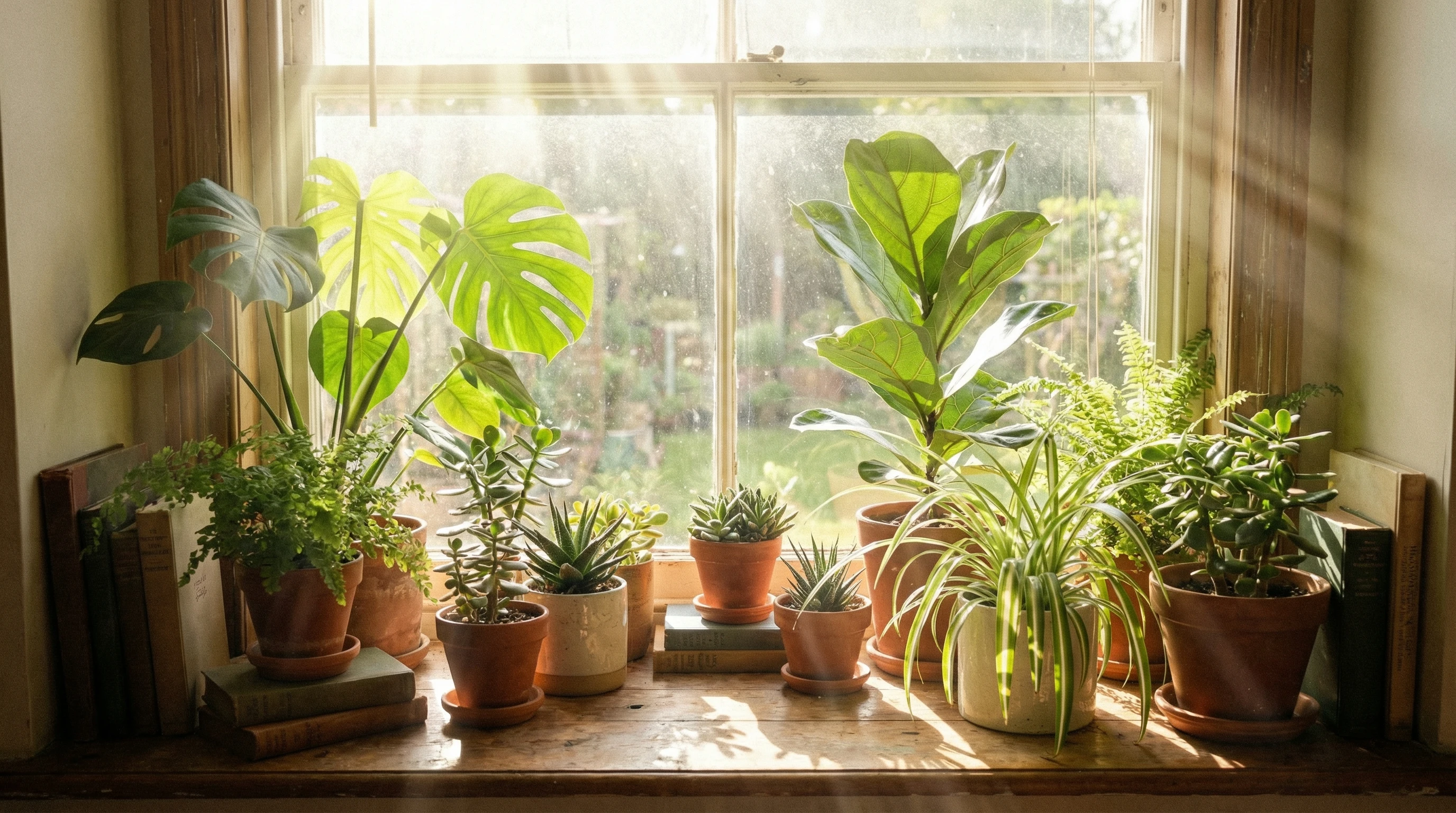
Why Indoor Plant Lighting Matters More Than You Think
How Light Fuels Growth and Keeps Leaves Healthy
Light acts as food for plants. Without enough of it, plants simply can’t fuel their own growth or keep themselves green. I always remind people that light drives photosynthesis, which is how a plant makes energy.
Common Signs Your Plant Isn’t Getting Enough Light
If you’ve ever noticed a sad, pale plant struggling to put out new leaves, it’s probably fighting for every bit of light it can find.
Getting the light right will keep leaves vivid and strong, help plants flower, and even give a boost to air-purifying power. So, paying attention to how much light your plants get—and what kind of light they receive is a game-changer for keeping them happy. Even those classic houseplant success stories almost always come from getting the light just right.
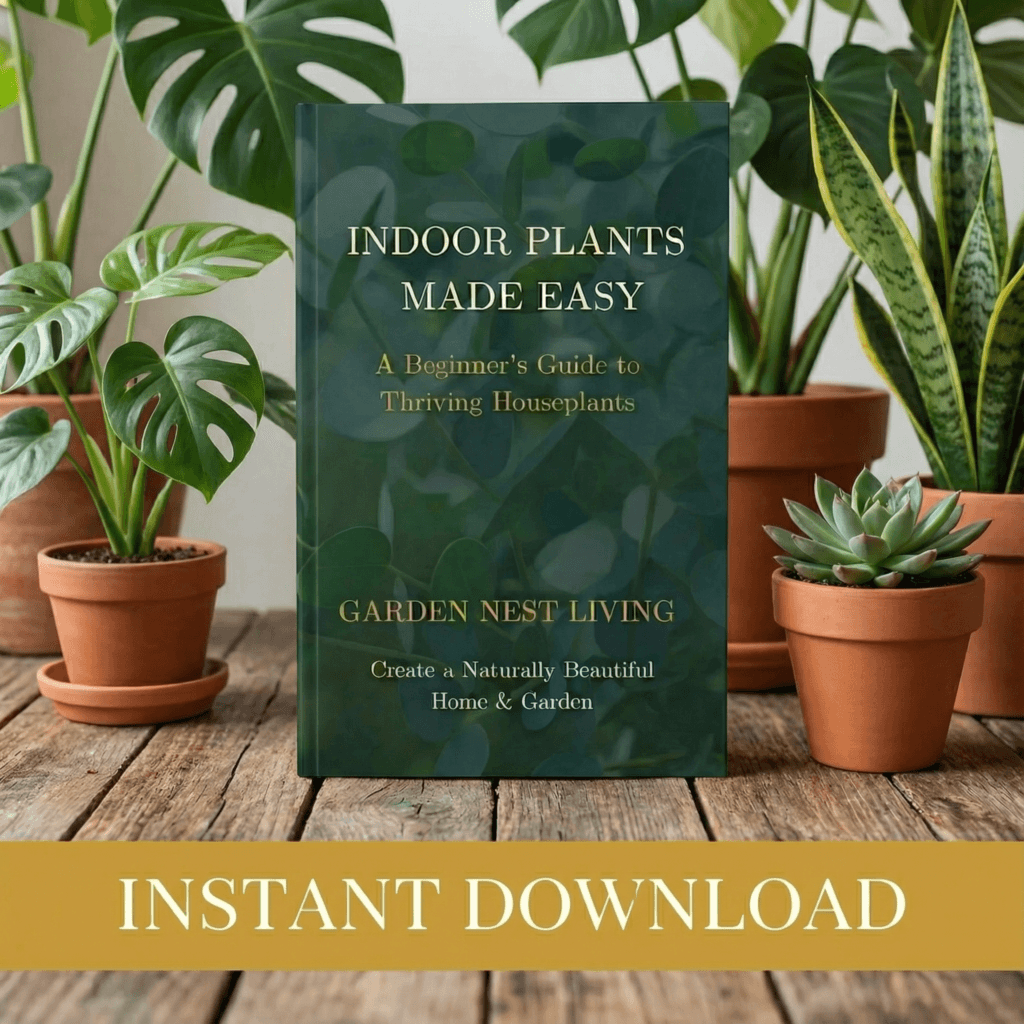
My new ebook ‘Indoor Plants Made Easy: A Beginner’s Guide to Thriving Houseplants‘ is now available! Grab your copy in my Etsy shop… click the photo link below to start your plant journey today!
Indoor Light Basics Every Plant Parent Should Know
Understanding Window Directions (North, South, East, West)
Not all windows are created equal when it comes to plant care. Here’s a quick guide I use to match spaces and plants:
- South-facing windows: Brightest light and the most hours of sun. Perfect for cacti, succulents, and sun-loving citrus.
- East-facing windows: Gentle morning sun, which is great for philodendrons, dracaenas, or herbs like basil.
- West-facing windows: Intense afternoon light, which can be strong but sometimes too hot in midsummer.
- North-facing windows: Lowest light levels. Ideal for lowlight plants or if you need to fill a dim corner.
How Distance From a Window Affects Light Strength
One thing that surprised me is how quickly light fades as you move away from a window. Even a few feet back can drop light intensity by 80 percent, so that coffee table across the room from a sunny spot might be a lowlight zone, no matter how bright the room looks to your eyes. Try watching the shadow your hand makes in different areas around a window… the crisper the shadow, the higher the light level.
Seasonal Light Changes to Watch For Indoors
Don’t forget that seasons play a part, too. Winter means shorter days and weaker sunlight, so plants may need to move closer to light sources as the months change. Curtains and nearby trees can also block a surprising amount of light.
Matching Your Indoor Plants to Their Light Requirements
Some plants are unfussy and tolerate shade, while others soak up the sun. Here’s a quick breakdown that’s helped me a lot:
Best Low-Light Indoor Plants
- Pothos, ZZ plant, and snake plant are all super easy and forgiving in dimmer spots. They grow slowly, but rarely fuss about light.
Plants That Prefer Medium, Indirect Light
- Philodendrons and dracaenas enjoy bright, indirect light, but don’t do well in direct midday sun.
High-Light Plants That Thrive in Bright Windows
- Cacti, succulents, and dwarf citrus trees thrive right up next to the brightest windows, especially in winter.
How Natural Habitat Helps You Choose the Right Spot
Knowing a plant’s natural habitat is probably the best shortcut for figuring out its light needs. A succulent from the desert wants more sun than a fern from a forest floor. When I pick out a new plant, I double-check its light requirements before deciding where it’ll live in the house.
If you have mixed light available, try grouping plants with similar needs together… this can simplify watering schedules, too. Also, consider using mirrors to bounce light into shadowy corners, which can help give everyone a boost without extra equipment.

Making the Most of Natural Light in Your Home
Rotate Plants Regularly for Even Growth
Plants always grow toward their light source. Giving your pots a little spin every week or two encourages even, bushy growth instead of stems stretching sideways. A regular rotation is a simple habit that helps prevent that classic lopsided look.
Why Clean Leaves Absorb More Light
Another tip I rely on is to wipe leaves every few weeks. Dust buildup can block a ton of the available light, basically putting a plant under a lampshade. It only takes a minute and really helps leaves soak up every ray. If you have larger plants, use a damp cloth or even a quick shower in the tub for an easy clean.
Hidden Light Blockers to Look For Around Your Home
Pay attention to blinds, curtains, and furniture that can also cast unexpected shadows for several hours each day. You might have to adjust plant positions between summer and winter, or as you rearrange the room.
Why Cleaning Your Plant’s Leaves Is Just as Important as Light & Water
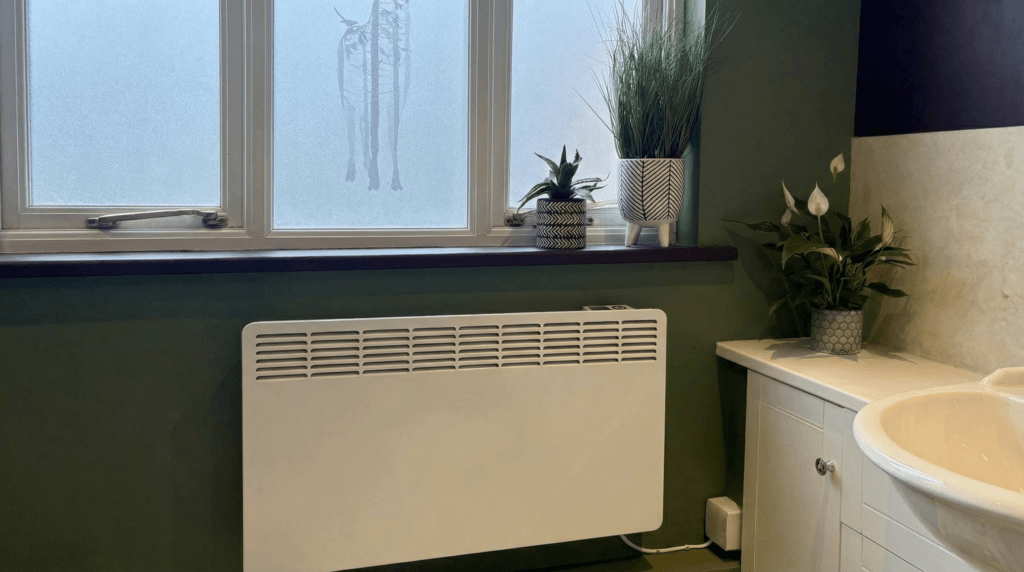
I have a beautiful peace lily in our bathroom that usually thrives in the gentle sunlight from the windowsill and the naturally humid environment. But the other day, I noticed the leaves were starting to wilt.
My first thought was the usual checklist: Was the soil dry? Was the light different?
The soil was perfectly damp, and nothing had changed with the light—so why was it struggling?
After a closer look, I spotted the real problem: the leaves were covered in dust.
Dust can block precious light from reaching the plant’s surface, making it harder for your plant to photosynthesise and stay healthy.
I gently wiped each leaf with a damp cloth, and within just a couple of days, my peace lily perked right back up. It was a simple but powerful reminder: Healthy leaves are essential for absorbing light… so always check and clean them regularly, not just the soil and lighting conditions.
Using Grow Lights to Support Indoor Plants
Why Grow Lights Are Helpful in Winter or Dark Rooms
No room gets enough natural sunlight every day of the year, especially in winter. That’s where grow lights come to the rescue. Modern options use efficient LEDs and come in full-spectrum setups, which put out light similar to sunlight. I use them for plants in offices, bathrooms, or anywhere that only gets a few hours of daylight. It’s handy for folks in apartments, too, where windows can be tiny or blocked by nearby buildings.
Best Types of LED Grow Lights for Indoor Plants
Some practical things I’ve learned about grow lights:
- Most indoor plants need twelve to sixteen hours of steady light a day. A lot of people rely on automatic timers to keep things consistent, which is pretty handy if you’re busy or forgetful.
- The colour of the light matters, not just the brightness. Blue light is awesome for leafy growth, while red light supports flowers and fruit. Full-spectrum bulbs give a natural, all-round boost for most greenery.
How Close Should Grow Lights Be? (Distance Guide)
- Place the light source close to your plants… usually within twelve to twenty-four inches, depending on the bulb you use. Too far away and the effect drops off quickly.
Tips for Setting Up a Simple and Effective Grow-Light Area
It’s really simple to set up a shelf or desk with a grow light and suddenly fill a room with tropical plants, even if you live somewhere that’s grey for half the year. Just make sure to allow for darkness (night) so your plants don’t get confused by constant daytime.
The RHS has a good article on artificial lighting for indoor plants, you can read it HERE.
Protecting Indoor Plants From Too Much or Too Little Light
How to Spot Plant Sunburn Indoors
Just because some light is good doesn’t mean more is always better. Even indoor plants can get “sunburnt” if left in direct, hot afternoon sun, especially sensitive tropical varieties. I’ve seen this happen a lot with monsteras and calatheas; their leaves will develop crispy brown or faded patches. Moving plants just a foot or two farther from that supersunny window can make all the difference.
What Leggy Growth Really Means
On the flip side, plants with elongated, pale growth (also called “leggy” plants) are probably desperate for more light. They’ll slow down and sometimes drop leaves if they’re not getting what they need. Noticing these clues early helps you move your plant before things get worse. Sometimes all it takes is a new spot or a few extra hours with a grow light.
How My Mini Orchid Taught Me the Importance of Seasonal Light Changes
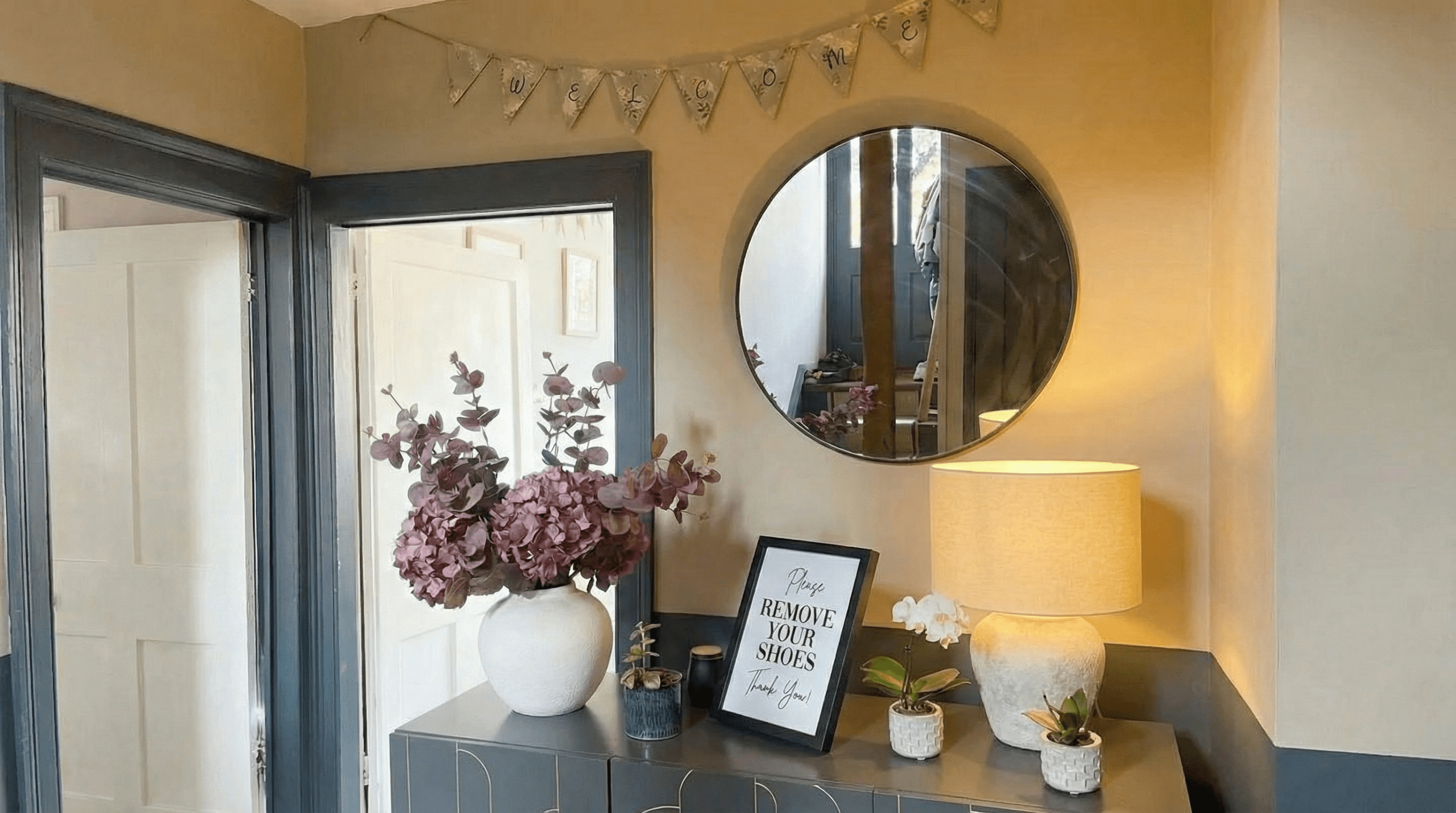
On a recent trip to the garden centre, I treated myself to a beautiful mini orchid with delicate white petals. When I got home, I placed it proudly on the sideboard in our hallway so I could admire it every time I walked through the front door. For a while, it looked perfectly happy, and it brought me joy each time I passed by.
But after a few weeks, I noticed the petals beginning to wilt, and the plant no longer looked its best. I gave it a drink (watering from the bottom, as orchids prefer), but it didn’t seem to make much difference. That’s when it hit me: it simply wasn’t getting enough sunlight… especially now that we’re deep into the winter months.
I quickly moved the orchid to our front bay window, where it could soak up more natural light. Thankfully, that small change made all the difference. Within days, it perked up and is now thriving in the gentle winter sun.
Lesson learned: even the happiest indoor plants may need a new spot as the seasons—and sunlight levels—change.
Quick Guide: Easy Light Hacks for Healthier Houseplants
- Figure out your window directions: Check which side of your home has the brightest or shadiest spots using a compass app or by noticing where the sun rises and sets.
- Monitor daylight hours: Plants want twelve to sixteen hours of light, so add a grow light during short winter days or if natural light seems low.
- Rotate pots regularly: Give each side of the plant a chance to catch the sun for even growth. Just a small turn every couple of weeks makes a huge difference.
- Keep leaves clean: Wipe them gently with a damp cloth every few weeks to maximise absorption. For fuzzy-leafed species, use a soft brush instead.
- Be ready to shuffle plants: Move sunlovers closer to windows in winter, and back a bit in summer if leaves look scorched or faded. Watch for seasonal changes and adjust placement as needed.
Common Indoor Plant Lighting Problems (And How to Fix Them Fast)
Not Enough Light
- Leaves look small, thin, or pale; new growth might stretch. Move the plant closer to a window or add a grow light for an instant boost.
Too Much Light
- Scorched tips or dry, bleached patches. Pull the plant a bit farther from direct glass or try a sheer curtain to soften sunlight.
Uneven Growth or Leaning Plants
- Plant leaning dramatically to one side. Rotate the pot every couple of weeks to keep it looking balanced and bushy.

Indoor Plants by Light Needs: Quick Reference Chart
| Light Level | Plant Examples | Ideal Placement | Notes |
|---|---|---|---|
| Low Light | • ZZ Plant (Zamioculcas) • Snake Plant (Sansevieria) • Pothos (Epipremnum) • Cast-Iron Plant (Aspidistra) • Peace Lily | North-facing rooms, hallways, shaded corners | Tolerant of low light but grow faster with more brightness |
| Medium / Bright Indirect Light | • Philodendron • Dracaena • Spider Plant • Calathea • Monstera Deliciosa | Near east- or west-facing windows, 2–6 ft from bright windows | Avoid harsh, direct midday sun—can scorch leaves |
| High / Bright Direct Light | • Succulents • Cacti • Citrus Trees • Jade Plant • String of Pearls | South-facing windowsills; close to bright windows | Needs several hours of strong sun; rotate weekly for even growth |
| Variable Light (Adaptable Plants) | • Aloe Vera • Rubber Plant (Ficus elastica) • Chinese Evergreen (Aglaonema) | Low to bright indirect light | Great for beginners; versatile in most rooms |
| Humidity & Light-Sensitive Plants | • Orchids • Ferns • Anthuriums | Bright, indirect light with higher humidity | Perfect for bathrooms or kitchens |
Frequently Asked Questions About Indoor Plant Lighting
Here are answers to some questions that come up a lot around indoor plant lighting:
How do I know if my indoor plant is getting enough light?
Look for vibrant green leaves and steady, even growth. Weak, pale, or leggy stems usually signal not enough light, while brown or spotted leaves can suggest too much direct sun. If a previously healthy plant starts slowing down in winter or after a move, a lighting issue is probably the reason. You can track down tips by watching your plant’s response week by week.
Which indoor plants can survive in low light?
Pothos, ZZ plants, snake plants, and cast-iron plants are all great options if you have dim rooms. They’ll tolerate shadier spots but still do better if you occasionally bring them closer to a window or use a supplemental grow light. You may want to try moving them for short periods to higher-light spots.
Where should I place my indoor plants for the best light?
For most plants, place them within a few feet of a bright window. South or east-facing windows work best for the widest range of species. Remember that placing a plant even a little farther away from the glass will reduce its light dramatically, so it helps to experiment and watch how your plant responds. Use surfaces that reflect light, like white walls, to set free more light around your plants.
Are grow lights necessary, and which ones are best?
Grow lights aren’t strictly necessary for all plants, but they’re really useful if natural sunlight is lacking. Full-spectrum LED grow lights are my favourite since they’re energy efficient, low-heat, and support healthy growth all year. Brands like Sansi, GE, and Barrina are all worth checking out depending on your setup and space.
Can indoor plants get too much light?
Yes, they can. Some plants, especially those from the rainforest floor or tropical forests, get sunburned indoors when left too close to a strong, hot window. Watch for crispy leaf edges or white spots. If that pops up, just move the plant back a bit or place it in a spot with filtered light instead. Sometimes, something as simple as a sheer curtain can work wonders.
Final Thoughts: Setting Your Indoor Plants Up for Success Year-Round
Lighting really is one of the trickiest and most rewarding details to master in indoor gardening. Once you start paying closer attention to window directions, daylight hours, and plant placement, you’ll spot healthier growth and more vibrant leaves in no time. With a few small adjustments, and maybe an LED grow light or two, your indoor plant jungle will keep thriving year-round. Just remember, each plant is a little different, so don’t be afraid to experiment and see what setups really let your collection shine.
Author Bio: Growing a Love for Indoor Plants
My passion for gardening doesn’t stop at the back door—it also extends indoors. About ten years ago, my husband gave me a stunning orchid for our anniversary, and that single gift sparked a whole new interest: indoor plants.
I quickly became fascinated with the idea of bringing greenery and nature indoors, and I began researching everything I could about indoor plant care tips and how to create the right conditions for houseplants to thrive. Once again, the Royal Horticultural Society became an invaluable source of guidance, teaching me how to care for a wide variety of houseplants.
What started as a single orchid soon grew into a collection. Along the way, I learned everything from how to grow orchids at home to choosing the best low-maintenance houseplants for busy lifestyles. I soon realised I wasn’t alone—many people share the same desire to create lush, green indoor spaces.
This inspired me to share my houseplant advice so others can enjoy the benefits of indoor plants too. Whether you’re a beginner looking for simple tips or someone hoping to expand your collection, my goal is to help you build confidence and create a home filled with greenery.

A beautiful indoor plant that I rescued from a Garden Centre and is now thriving in our sunny bay window.
I really enjoyed reading this — thank you for such clear and helpful lighting tips for indoor plants. It makes perfect sense that light intensity, window orientation, and even dust on leaves can make a huge difference for plant health. I especially liked the reminder that even low‑light plants benefit from occasional brighter exposure and that rotating them helps keep growth even. I’m curious — when you use artificial grow lights in winter, how do you decide how many hours per day to give the plants, and do you change that schedule depending on the species?
Thank you so much for your lovely comment… I’m really glad you found the tips helpful!
Great question about grow lights! As a general rule, I try to match what the plant would naturally receive, then adjust based on how it responds:
???? Most tropical houseplants (monstera, pothos, philodendron, etc.)
→ 8–12 hours of grow-light exposure per day
They thrive with bright, indirect light, so this mimics a typical bright day.
???? Succulents and cacti
→ 10–14 hours
They love intense light and often need longer exposure to stay compact and healthy indoors.
???? Flowering plants (like orchids or anthuriums)
→ 10–12 hours
Too little light reduces blooms, but too much can stress them—so a middle ground works well.
I also adjust slightly with the seasons:
• Winter → longer sessions because natural daylight is weaker
• Spring/Summer → shorter sessions or I use a timer so they don’t get too much
And as always, I keep an eye on how the plants react. Pale new leaves or stretching means they need more light, while crispy edges or yellow patches can mean too much.
Hope that helps… and thank you again for reading!
This is such a helpful and clearly written guide! I’ve struggled with knowing exactly what “bright, indirect light” means in my own home, and your breakdown of foot-candles and the tip about observing shadows is a game-changer. It takes the guesswork out of plant placement. The section on grow lights is also fantastic, finally, an explanation that doesn’t make it sound overly technical. My plants (and I) thank you! 🙂
This text highlights a gesture, a detail, a little attention that transforms the care of plants into a conscious and soothing ritual. From the rotation of the pots to the reading of shadows, from the dust on the leaves to the play of light, everything becomes a real language of care. For us, affiliate content creators like Lanicheduclip, it is a gold mine that combines pedagogy, authenticity and inspiration. Thank you for this transmission which nourishes chlorophyll as much as our daily presence!
This is a very educational and helpful article about proper lighting of indoor plants, Jenny. My wife and I have a number of “house plants” that we need to pay attention to for proper growth and health to each plant. Along with proper watering, we are always trying to make the best for the plants with proper light intensity. We “rotate” our plants to achieve equal light around the plants. Especially, I appreciated the reminder about dust maintenance on plant leaves which can make a huge difference on the plants’ health. Question: Is there anything that can be done when there is a relatively long period of time of cloudy weather (lack of sunlight) to give the plants adequate light? Thank you for a great article!
Best wishes,
Kent