
Preparing Your Garden for Summer Heat | Expert UK Gardening Tips
Get your garden ready for summer heat! Learn smart watering, mulching, shading, and soil tips to keep plants healthy and thriving in hot weather.
Getting your garden ready for the summer heat makes a real difference when it comes to keeping plants happy and healthy. Those soaring temperatures can wilt even the hardiest flowers and veggies if you don’t prepare for the change in season. I’ve picked up some handy tricks over the years that help my garden ride out peak summer without constantly looking parched or stressed. Here’s a full guide on what actually works for prepping a garden for hot weather.
Hello & welcome, I’m a Hampshire gardener who’s spent most of my life outdoors, inspired by a childhood surrounded by countryside and parents who loved their allotments. For the past five years I’ve been working as a self-employed gardener, growing my skills through hands-on experience, plenty of research, and a genuine passion for watching gardens change through the seasons. Now I share what I’ve learned to help others enjoy creating beautiful, thriving outdoor spaces of their own.
Garden Nest Living grew from a simple idea: to share my love of gardens and creating calm, beautiful spaces, both inside and out. When you buy through my affiliate links, you are allowing me to keep sharing inspiration, ideas and products… at no extra cost to you. Thank you for being a part of my journey!
Why Preparing Your Garden for Summer Heat Is Essential
How Extreme Temperatures Effect Plant Health
Summer heat isn’t just a minor inconvenience for gardens; it puts pressure on roots, dries out soil fast, and can even lead to scorched leaves and stunted growth. Certain plants just aren’t equipped to deal with the triple whammy of high temperatures, harsh sunlight, and sudden dry spells. By taking a few smart steps early, I’m able to help my whole garden handle those tough conditions so flowers, veggies, and lawns stay vibrant all season long.
Early Signs Your Garden Is Struggling with Heat
- Wilting or curling leaves: Plants look limp even after a good watering.
- Dry, cracked soil: Moisture isn’t sticking around after watering.
- Brown patches on grass: Lawn dries or yellows unevenly.
- Slowed plant growth: Flowers and vegetables stall out when it gets hot.
- Scorched or faded foliage: Leaf tips bleach out or develop crispy spots.
These signs show up early in the season if a garden isn’t ready for heat. Catching them now means you can adjust before things get worse later in the summer.
Smart Watering Tips for Hot Weather
Best Time of Day to Water Your Garden
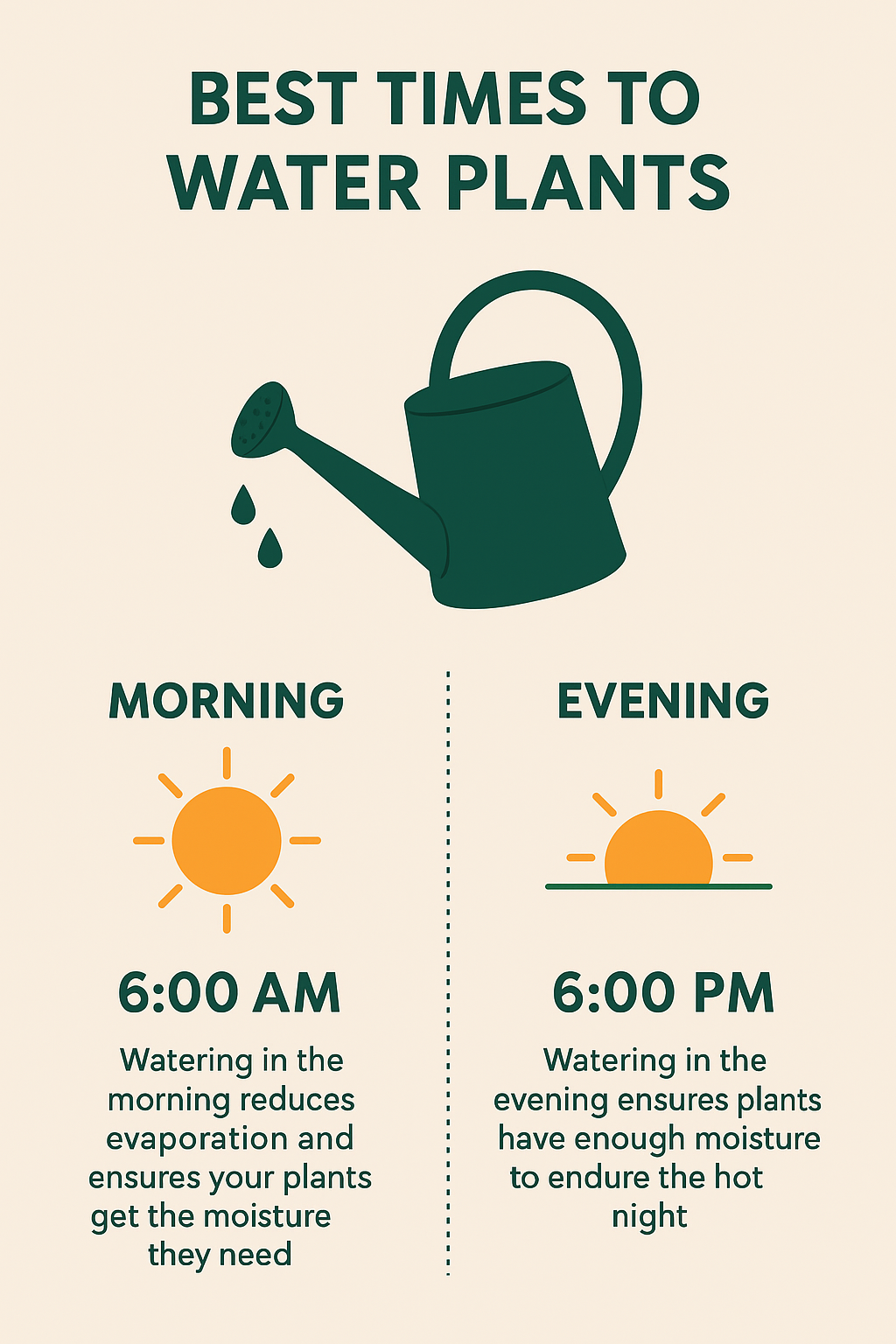
I can’t stress enough how much the right watering schedule helps. Watering early in the morning or in the evening is key; this simple switch-up can cut water loss to evaporation by up to 50% compared to doing it around noon.
- Stick to watering before 9 a.m. or after 6 p.m. during summer months.
- Always focus water right at the base of the plant. Wet leaves can scorch in the sun and waste precious water.
Deep vs. Frequent Watering – What Works Best
By watering when sunlight is less harsh, water actually gets down to the roots where plants need it most. Plus, roots are more likely to absorb moisture instead of letting it evaporate off warm soil.
- Go for deep, infrequent watering; this pushes roots to grow deeper, making plants more drought-resistant over time.
How to Save Water During a Hosepipe Ban
- If you have a hosepipe ban in your area, get creative with graywater (from washing up) or use collected rainwater instead of tap.
- Rainwater is usually softer and closer to what plants naturally prefer, plus it helps cut down on your water bill when droughts hit.
Using Mulch to Keep Soil Cool and Moist
The Best Types of Mulch for Hot Summers
Mulch is like a sunhat and sunscreen rolled into one for your garden beds. Adding a solid 2–4 inch (5–10 cm) layer of organic mulch (like straw, bark chips, or compost) keeps soil cooler and slows down evaporation. Mulch can lower soil temperature on hot days, and you’ll notice that soil stays moist longer between waterings. (the Bartlett Tree Research Laboratory in Charlotte, North Carolina decided to test some popular mulch types to see how they affected soil temperature, check out their findings HERE.)
How to Apply Mulch the Right Way
- Always deeply water the area before applying mulch to lock in existing moisture.
- Refresh mulch as it breaks down or gets blown away. Insulation only works if the layer isn’t too thin.
Common Mulching Mistakes to Avoid
- Avoid piling mulch up against trunk bases; leave a little breathing room around stems.
Besides water retention and cooling, mulch also helps prevent weeds from taking over and can lend a tidy, finished look to your beds and borders. Over time, as organic mulch breaks down, it even improves your soil structure.

Creating Shade for Heat-Sensitive Plants
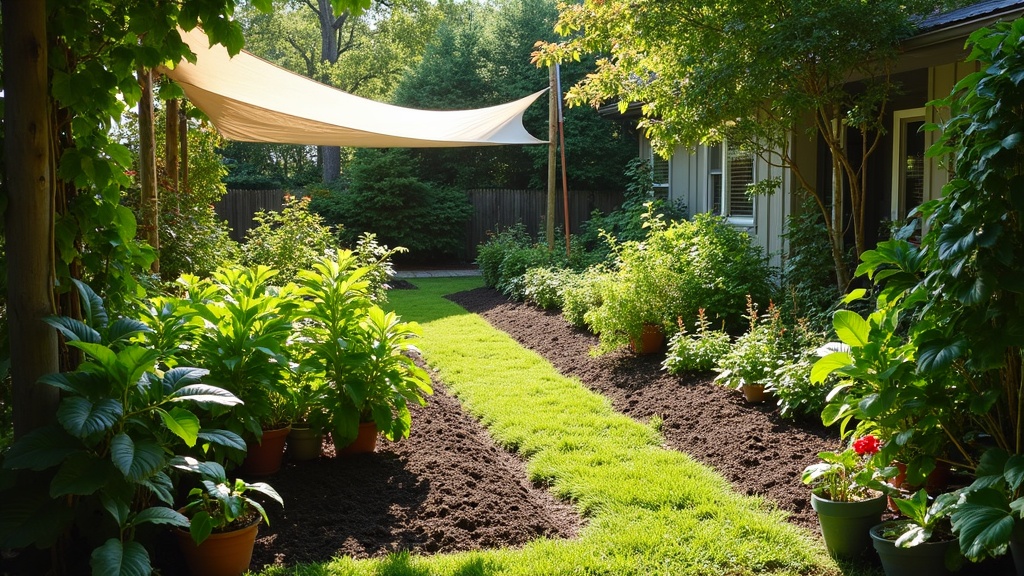
Not every plant loves a full blast of sun, especially during heatwaves. Temporary shade structures are one of my favourite ways to give sensitive plants a break without having to dig everything up.
Quick Shade Fixes You Can Try Today
- Use shade cloths, lightweight parasols, or old sheets draped over hoops or stakes for quick shade. The best materials block 30–50% of sunlight but still let air and water through.
- Move potted plants into partial or dappled shade. Even shifting them under trees or onto a sheltered patio helps a lot.
- Group potted plants close together; they create a humid microclimate and support each other.
- For a straightforward homemade solution, create a frame with bamboo stakes and stretch an old bed sheet over sun-sensitive veggies. This lets you make a temporary sunblock that’s customizable to garden beds of all sizes.
Long-Term Shade Solutions for Your Garden Layout
- If you plan ahead, grow taller plants like sunflowers or corn on the west side to cast shade over smaller, more delicate crops.
- Plant Shade Trees for Natural Cooling. Trees are the best long-term investment for garden shade – they reduce air temperature, protect delicate plants, and add structure and biodiversity.
- Install a Pergola or Arbour. A pergola is both decorative and functional – it provides consistent shade while defining a seating or dining area.
- Combine Shade with Water and Ground Cover. Strategically placed ponds, small water features, or dense ground covers (like ferns and hostas) can help cool the area naturally and reduce radiant heat.
Boosting Soil Health Before and During Summer
Why Healthy Soil Retains More Moisture
Soil rich in organic matter acts like natural air conditioning for roots. Compost, worm castings, and well-rotted manure help soil hold extra water and promote healthy microbes. Healthier soil holds moisture for longer, supports better root growth, and can help cushion roots from sudden swings in temperature.
Compost, Worm Castings, and Organic Matter Explained
- Amend the soil with compost at the end of spring or early summer for the best results.
- Avoid digging beds during a heatwave to prevent breaking up soil structure and further drying it out.
Adding compost or well-rotted organic matter every season doesn’t just help with water—it also adds nutrients in slow, steady doses so plants keep producing all summer. Look out for earthworms and tiny soil critters as a sign your soil is teeming with life.
Feeding Plants Safely in Hot Weather
When to Pause Fertilising During a Heatwave
It’s tempting to feed everything when summer starts, but fertilising during a heatwave can stress plants even more. Fertiliser encourages new growth, and those baby leaves need extra water and are more sensitive to harsh sun. When roots are dry or hot, fertiliser can “burn” them.
Natural Alternatives to Chemical Fertilisers
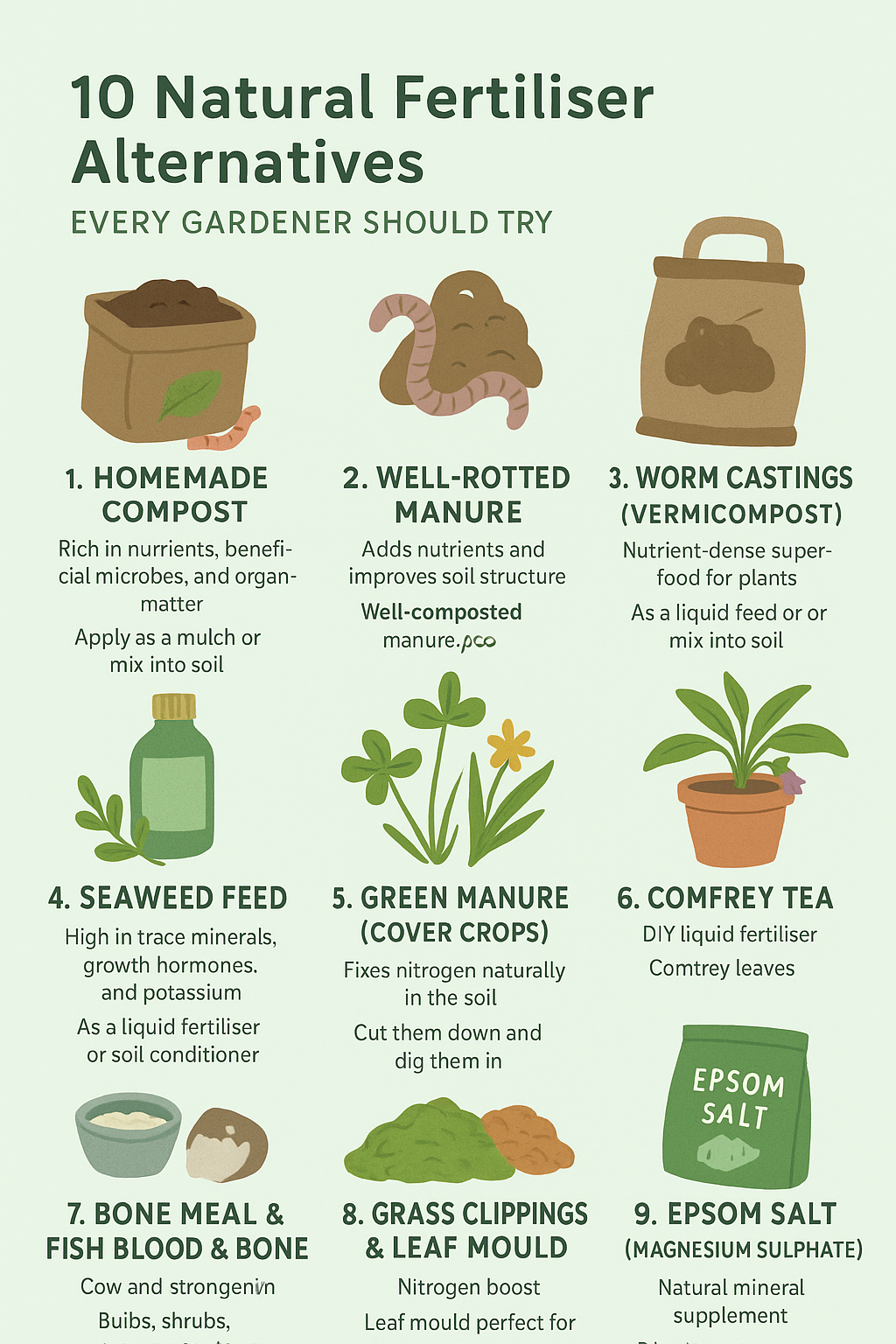
Save feeding for milder spells and focus on soil health instead. There are many varieties that you could use; Homemade Compost, Well-Rotted Manure, Worm Castings (Vermicompost), Seaweed Feed, Bone Meal & Fish Blood & Bone, Grass Clippings & Leaf Mould or Coffee Grounds & Eggshells.
Pro Tip:
Rotate your natural feeds — a mix of compost, mulch, and liquid feeds keeps soil biology active and ensures a steady release of nutrients all year round.
Efficient Watering Systems for Summer
Benefits of Drip Irrigation and Soaker Hoses
Drip irrigation and soaker hoses are super useful for getting water right to the roots (and avoiding wetting foliage, which can scorch leaves in the sun). These systems are up to 90% efficient, compared to 50% or less for traditional sprinklers.
How to Set Up an Automated Watering Timer
- Attach a timer to your system so watering is consistent, even when you’re not home.
- Check emitters regularly; clogs slow down flow just when your plants need water the most.
Setting up a simple timer can free you up from daily checks and makes it easier to stick to a smart watering schedule—especially handy during holidays or unexpected busy days. For an added boost, try using drip lines under mulch to maximise moisture retention.
Choosing Heat-Resistant and Drought-Tolerant Plants
Top Deep-Rooted Plants for Hot Climates
Certain plants naturally handle drought and heat better because their roots go deep. Lavender, rosemary, and ornamental grasses dig down way further than shallow-root annuals do. To help all garden plants build better resilience for the long haul, it’s better to water deeply but less frequently; the roots chase the water downward instead of staying near the hot soil surface.
Native Plant Options That Thrive in Summer
If you’re starting from scratch, consider planting some deep-rooted perennials and native species particularly suited to your climate. These often need less fuss and help create a backbone, supporting the garden through extreme weather with little intervention.

Caring for Your Lawn in Extreme Heat
If you mow your lawn too short in summer, the soil heats up like a frying pan and dries out fast. By keeping grass at around 7–9 cm tall, you’re shading the soil and helping retain more moisture after each watering. Brown patches are less likely and turf isn’t as vulnerable to scorch.
How to Mow Without Scorching Your Grass
- Raise your mower blades before the first big heatwave arrives.
- Skip mowing entirely on the hottest days; let the grass take it easy and recover.
Steps to Help Your Lawn Recover After a Heatwave
Leaving grass clippings on the lawn after mowing acts as a natural mulch and feeds the soil too. If you must water the lawn, do it deeply and infrequently, and consider watering early morning for best effect. During severe drought, don’t worry if your lawn goes brown; most well-established turf bounces back when rain returns.
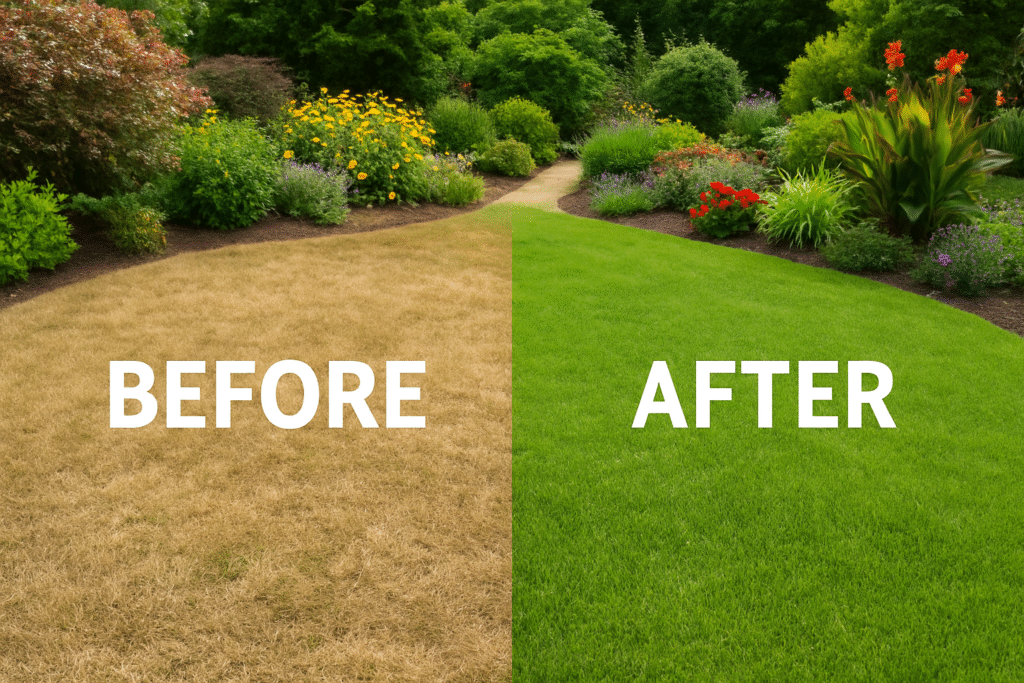
How to Help Your Lawn Recover After a Hot Summer and Hosepipe Ban
After the scorching summer we’ve just had — complete with a hosepipe ban in our region — many lawns were left looking dry, patchy, and far from their usual lush green. Unfortunately, when grass is exposed to weeks of intense sun without regular watering, some browning and stress are almost unavoidable.
Several of my customers were understandably worried, thinking their lawns were completely dead. But I reassured them that this is a normal response to extreme heat — most established lawns simply go dormant to survive the drought. Now that we’re moving into autumn, I’m pleased to say that the majority have bounced back beautifully on their own.
For the few lawns that still show thin or bare patches, I’ll be keeping an eye on them through the cooler months and plan to re-seed in spring if needed. Giving the grass time to rest and recover naturally helps strengthen the root system, ensuring a healthier, greener lawn when warmer weather returns.
Caring for Pots and Container Plants in the Heat
How to Keep Potted Plants Hydrated Longer
Container plants lose moisture way faster than those planted in the ground; sometimes twice as quickly. I like to move pots into morning sun and afternoon shade during the hottest spells.
- Group pots close together for shared shade and humidity.
- Check soil daily, especially for hanging baskets and smaller pots.
Best Containers and Soil Mixes for Summer
Water-retaining composts, mulching the top of the pot, and using self-watering containers all help prevent that daily wilt-and-recover cycle.
You can also put saucers under pots to catch runoff or use larger, lighter-coloured containers to reflect more sunlight. Make sure drainage holes are clear to prevent soggy roots during any heavy rainfall.
How I Saved My Acers from Summer Heat Stress
One of my favourite plants to grow is the Acer, with its delicate leaves and beautiful colour that changes through the seasons. I have several different varieties in pots on our roof garden, adding texture and variety to the space.
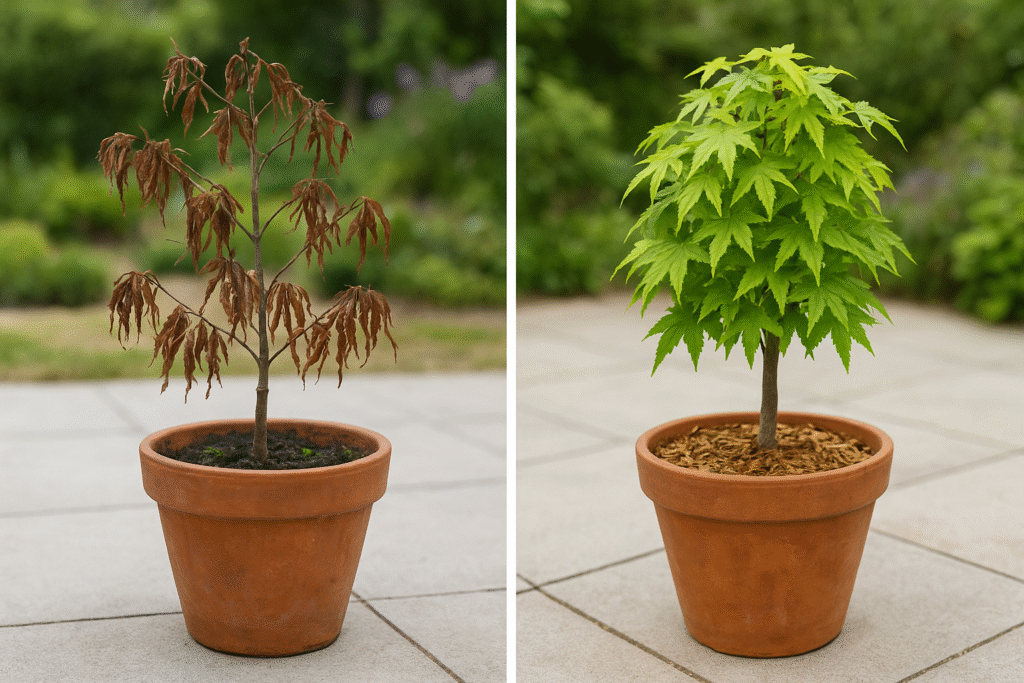
During summer, I would water them every evening once the hot sun had gone down—always at the base of the plant to avoid scorching the leaves. At the height of the heat, this became a nightly routine. But even with regular watering, I noticed two of my Acers starting to look unhappy. Their leaves were crispy and dropping, and they just didn’t look healthy.
At first, I assumed it was lack of water. After a bit of research, I realised the real problem was leaf scorch from too much direct sun. Up on the roof, they were exposed all day with barely any shade except early in the morning.
I quickly moved them down into the shadiest spot in my garden, added a generous layer of mulch around the base to help lock in moisture, and crossed my fingers. Within weeks, new leaves started to appear, and the plants began to recover beautifully.
That experience taught me an important lesson: even the hardiest potted plants need protection from intense summer sun. Now, before the heat really sets in, I make sure to move my Acers from the roof garden into a cooler, shaded area and mulch around their roots to keep them hydrated and happy.
Common Garden Mistakes During Heatwaves
Overwatering and Under-Watering Issues
- Overwatering: Soggy roots can rot just as quickly as dry roots wilt. Let the top couple of inches dry before the next round.
- Midday watering: Almost half the water evaporates before reaching the roots. Stick to mornings or evenings.
Why Timing and Soil Health Matter Most
- Sudden plant moves: Transplanting during a heatwave shocks roots. Wait till things cool off if possible.
- Ignoring soil quality: Healthy, compost-rich soil is your first defence against stress and dehydration.
Finding the Best Way to Protect Your Garden During a Heatwave
It can be really hard to know what’s best for your garden during a heatwave — especially when you’ve invested so much time, care, and money into keeping it beautiful. Hopefully, this blog post has given you some practical ideas and inspiration to help your plants cope with extreme heat.
If you’d like even more expert advice, Gardener’s World has a great article called “10 Ways to Protect Your Plants in a Heatwave,” which is well worth a read for additional tips and guidance.
Quick Checklist: Summer Garden Prep Guide
1. Watering Wisely
- Water early in the morning or evening to reduce evaporation.
- Aim water at the base of plants — avoid soaking leaves in full sun.
- Use deep, infrequent watering to encourage strong root growth.
- Check irrigation systems or hoses for leaks or blockages.
- Collect and use rainwater or greywater during hosepipe bans.
2. Mulching & Soil Health
- Add a 2–4 inch layer of organic mulch (bark, straw, compost, or coir).
- Water soil thoroughly before applying mulch to lock in moisture.
- Keep mulch away from plant stems to prevent rot.
- Mix in compost or worm castings to boost water retention and nutrients.
- Check soil moisture regularly — don’t let it dry out completely.
3. Shade & Shelter
- Use shade cloths, parasols, or old sheets during heatwaves.
- Move pots to morning sun / afternoon shade positions.
- Group containers together for shared humidity and protection.
- Grow taller plants or sunflowers to naturally shade smaller crops.
4. Lawn Care
- Keep grass around 7–9 cm tall to protect soil from heat.
- Avoid mowing during hot, dry spells.
- Leave grass clippings on the lawn as a natural mulch.
- Water deeply, not daily — let the soil absorb before rewatering.
- Don’t panic if your lawn turns brown — it’s often just dormant.
5. Pots & Containers
- Use water-retaining compost or self-watering pots.
- Check pots daily — especially small ones and hanging baskets.
- Place saucers under pots to capture runoff.
- Choose light-coloured pots to reflect heat.
- Move sensitive plants (like Acers) into shaded, sheltered spots.
6. Feeding & Fertilising
- Avoid fertilising during heatwaves — it stresses plants.
- Wait for cooler weather before adding feed.
- Focus on organic soil enrichment (compost, manure) instead.
7. General Heatwave Readiness
- Check weather forecasts to plan ahead for hot spells.
- Keep a watering schedule — set reminders or timers.
- Monitor plants daily for wilting, scorch, or dry soil.
- Prepare temporary shade structures before peak heat arrives.
- Stay consistent — prevention is easier than rescue!
Pro Gardener’s Tip
“During extreme heat, it’s less about adding more water and more about helping your garden hold onto it — through mulch, shade, and timing.”
FAQ: Hot Weather Garden Prep
Here are answers to a few common questions I get about preparing gardens for hot weather.
How do you prepare your garden for an upcoming heat wave?
Start by soaking the soil early in the morning, then add a thick layer of organic mulch. Move sensitive plants into shade or use temporary covers as needed. Hold off on fertilising until it cools down, and make sure your irrigation setup is in good working order. Grouping pots and raising your lawn’s mowing height also make a noticeable difference.
How do you keep plants thriving in extreme heat conditions?
Water deeply but less often, aim for mornings or evenings, and direct water to plant bases. Use mulch to lock in coolness and moisture. Provide shade with fabric or taller plants where it’s needed. Support soil health with compost and avoid stressing plants with fertiliser during a heatwave. Plants with deeper roots generally handle heat best, so encourage root growth with proper watering habits early in the season.
Natural Alternatives to Chemical Fertilisers
(Sustainable ways to feed your plants and protect your soil)
1. Homemade Compost
The best all-round natural fertiliser — rich in nutrients, beneficial microbes, and organic matter.
- Made from garden clippings, fruit & veg peelings, coffee grounds, and leaves.
- Improves soil texture, moisture retention, and long-term fertility.
- Apply as a top layer (mulch) or mix into soil before planting.
Tip: A well-balanced compost pile should include a mix of “green” materials (fresh waste) and “brown” materials (dried leaves, cardboard, straw).
2. Well-Rotted Manure
A time-tested, organic option that adds nutrients and improves soil structure.
- Ideal for vegetable patches, borders, and fruit trees.
- Use well-composted manure (aged 6–12 months) to avoid burning plants.
- Cow, horse, or chicken manure are popular choices — chicken manure is strongest in nitrogen, so use sparingly.
3. Worm Castings (Vermicompost)
Worm compost is a nutrient-dense superfood for plants.
- Contains natural growth hormones and beneficial microbes.
- Enhances root development and water retention.
- Use as a liquid feed (“worm tea”) or mix a handful into potting soil.
Eco bonus: Worm composting can be done indoors or in small gardens using a wormery.
4. Seaweed Feed
A favourite among UK gardeners — seaweed extract is a fantastic natural tonic.
- High in trace minerals, growth hormones, and potassium.
- Encourages strong root systems and resistance to stress.
- Can be used as a liquid fertiliser or soil conditioner.
Best for: Container plants, shrubs, and coastal gardens.
5. Green Manure (Cover Crops)
Grow plants like clover, ryegrass, or field beans over bare soil in autumn or early spring.
- Fix nitrogen naturally into the soil.
- Suppress weeds and prevent erosion.
- Simply cut them down and dig them in before flowering to release nutrients.
6. Comfrey Tea
A powerful DIY liquid fertiliser made from comfrey leaves steeped in water.
- Rich in potassium, ideal for tomatoes, peppers, and flowering plants.
- To make: Soak chopped leaves in a bucket of water for 2–3 weeks, strain, and dilute before use.
Note: It smells strong — store it away from seating areas!
7. Bone Meal & Fish Blood & Bone
Classic organic feeds available from most garden centres.
- Bone meal is slow-release and great for bulbs, shrubs, and perennials.
- Fish, blood & bone provides balanced nutrients for general use.
- Apply sparingly and mix into the soil before planting.
8. Grass Clippings & Leaf Mould
Recycling your garden waste into fertiliser.
- Grass clippings: Sprinkle thinly around plants as a nitrogen boost.
- Leaf mould: Collect fallen leaves, let them break down for a year — perfect for moisture retention and gentle feeding.
Sustainable and free!
9. Coffee Grounds & Eggshells
Everyday kitchen waste that benefits your plants.
- Coffee grounds: Add nitrogen and improve soil texture; mix lightly into compost.
- Crushed eggshells: Add calcium and help deter slugs and snails.
10. Epsom Salt (Magnesium Sulphate)
A natural mineral supplement to promote lush foliage and flower colour.
- Ideal for roses, tomatoes, and peppers.
- Dissolve 1 tablespoon per gallon of water and apply monthly during growing season.
Pro Tip:
Rotate your natural feeds — a mix of compost, mulch, and liquid feeds keeps soil biology active and ensures a steady release of nutrients all year round.
Final Thoughts: Helping Your Garden Thrive All Summer Long
- Water smart; early, late, and deeply so roots benefit most.
- Use mulch for cooler, more stable soil temperatures and steady moisture.
- Offer shade, especially during heatwaves, with cloths, covers, or plant grouping.
- Keep lawns a little longer and avoid mowing in the worst heat.
- Skip fertiliser when it’s hot to keep roots happy and safe.
- Give container plants extra attention; they dry out the fastest.
- Focus on soil health for natural moisture retention.
Even the hottest days are less of a problem when you plan and act in advance. Adjusting a few routines helps gardens keep growing strong, no matter how high the temperature climbs. Adjust your care and stay observant—your garden will repay you with beautiful blooms and a resilient harvest all summer long.
Author Bio: My Journey Into Gardening
I grew up surrounded by the rural beauty of the Hampshire countryside, where my earliest dream was to work with animals. After finishing school, I studied at Sparsholt College and earned a National Diploma in Animal Management.
Life, as it often does, took me in a different direction. I built and ran another business, got married, and became a proud mum to three wonderful boys. After the birth of my youngest in 2020, I found myself at a crossroads, ready for a new career. Gardening—something that had always been a passion—was the natural choice.
I’ve now been working as a self-employed gardener in Hampshire for over five years, but my love for gardening began long before that. Growing up, I spent countless hours outside helping my parents, both keen gardeners (with three allotments!). Being outdoors, nurturing plants, and watching gardens transform with the seasons has always brought me joy.
While much of my knowledge has come through hands-on gardening experience, trial and error, and plenty of research, I’ve also relied heavily on trusted resources like the Royal Horticultural Society, which has guided me in becoming a confident, self-taught gardener.
I created Garden Nest Living to share everything I’ve learned and to help others discover the same satisfaction in creating and enjoying beautiful outdoor spaces. Whether you’re looking for UK gardening advice, self-taught gardening tips, or inspiration for your own garden, my goal is to inspire and guide you on your gardening journey.
Our son looking out over the garden in the height of the Summer.
This is a very practical and relatable guide. I used to think watering alone was enough, but learning about timing and mulch really changed how I handle my small garden. Your tips are simple and easy to apply. Which type of mulch do you think works best for container plants in very hot weather?
John
Hi John, Thank you so much – I’m really glad you found the guide helpful! You’re absolutely right – once you get the timing and mulch combination right, it makes such a difference. For container plants in hot weather, I’ve had the best results with organic mulches that stay light but still hold moisture well – things like fine bark chips or composted wood. They keep the soil cooler without compacting too much.
Thank you so much for” Feeding Plants Safely in Hot Weather”. For someone who lives in a super area in Texas, it really made sense to me. Its so hot down here. If one doesn’t take care of the lawn or garden, it goes bad really fast. Its so hot that it can burn it.
I really enjoyed this read. Although I’m not a plant person and don’t really know much about plants, I now know a bit from this article about plants and how hot weather affects them.
Please keep doing information on this topic as it’s nice to know more about it.
Again, thank you for this information.
I really enjoyed this read. Although I’m not a plant person and don’t really know much about plants, I now know a bit from this article about plants and how hot weather affects them.
Please keep doing information on this topic as it’s nice to know more about it.
Again, thank you for this information.
Great article — the tips on mulching and watering timing are super helpful. As someone in a hot-weather zone like Texas, I appreciated the real talk about deep, infrequent watering rather than constant light sprays. One thing I’m curious about: when you mention moving pots into morning sun and afternoon shade, how early in the season should that shift happen to give plants the best chance?
Thank you so much… I’m glad the mulching and watering tips were helpful, especially coming from a hot climate like Texas! Deep, infrequent watering makes such a difference in building strong roots, so I’m happy that resonated.
Great question about timing the move to morning sun and afternoon shade. I usually start making that shift as soon as daytime temperatures regularly hit the high 80s–90s °F. Doing it early in the season—before the peak heat really sets in—gives plants time to adjust without going into shock. For many regions, that’s late spring or early summer, but in hotter zones like Texas, it can be even earlier.
Thanks again for reading and sharing your thoughts! Feel free to reach out anytime with more questions.
Such a timely and practical post! The tip about deep, infrequent watering to encourage strong roots is a game-changer—I’ve always tended to water lightly every day. I’ll definitely be putting the mulch advice to use this weekend to help my soil retain moisture. The list of heat-tolerant plants is also a lifesaver for filling in the gaps where my more delicate flowers struggle. Thanks for the actionable strategies to help our gardens not just survive, but thrive this summer!