

How to Protect Plants from Early Frosts | UK Gardening Tips
Learn how to protect plants from early frosts with simple, proven tips. From mulch and fleece covers to cold frames and microclimates – for a healthy garden.
Early frosts can show up when you least expect them, catching plants off guard and sending gardeners into full-on panic mode. I’ve been surprised a few times by chilly nights sneaking in at the start of autumn, and nothing’s more disheartening than waking up to blackened leaves and wilted flowers. Protecting plants from early frosts is all about preparation, quick action, and knowing a few simple tricks that can really make a difference for your garden’s survival.
Hello & welcome, I’m a Hampshire gardener who’s spent most of my life outdoors, inspired by a childhood surrounded by countryside and parents who loved their allotments. For the past five years I’ve been working as a self-employed gardener, growing my skills through hands-on experience, plenty of research, and a genuine passion for watching gardens change through the seasons. Now I share what I’ve learned to help others enjoy creating beautiful, thriving outdoor spaces of their own.
Garden Nest Living grew from a simple idea: to share my love of gardens and creating calm, beautiful spaces, both inside and out. When you buy through my affiliate links, you are allowing me to keep sharing inspiration, ideas and products… at no extra cost to you. Thank you for being a part of my journey!

Understanding Early Frost and Its Effects
What Happens to Plants During a Frost
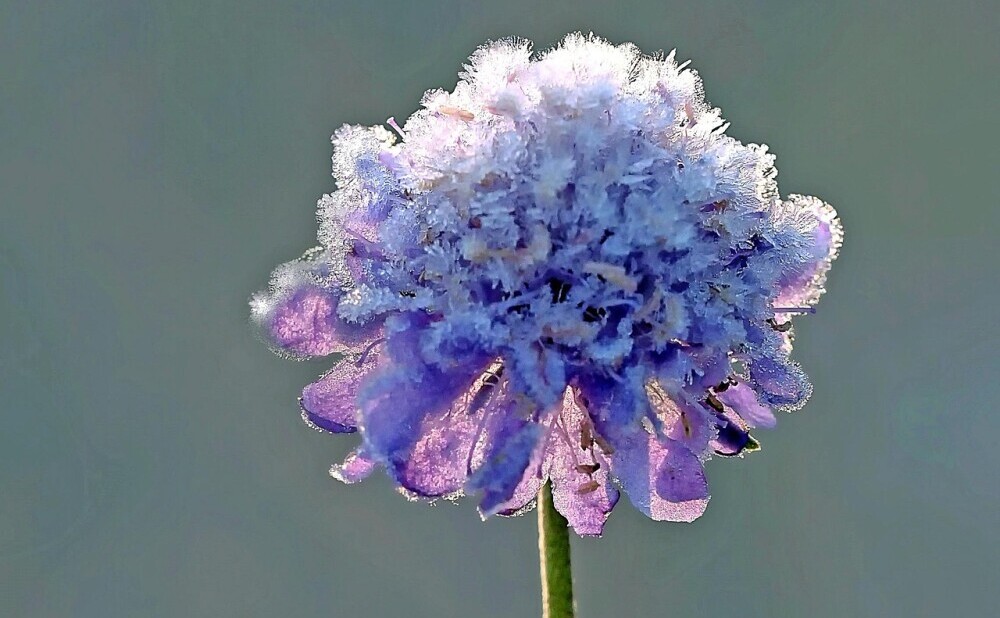
Frost damage happens because water inside plant cells freezes, turning into tiny ice crystals that puncture cell walls. When things warm up, the water thaws, but the damage is already done.
Why Some Plants Are More Vulnerable Than Others
A sudden autumn frost can do quite a number on a garden, especially when tender plants are still putting on lots of new growth. I’ve seen the first light frost zap all those soft, green shoots practically overnight. The trouble is that younger leaves, flower buds, and stems haven’t had time to toughen up, so they’re easily damaged when temperatures drop.
Spotting Early Signs of Frost Damage
Leaves droop, turn black or mushy, and growth often stops for the season. It’s pretty dramatic looking, and the next morning, you’ll find your most tender plants looking pretty sad.
How to Prepare Your Garden Before Frost Arrives
Checking the Weather and Planning Ahead
Getting ahead of early frosts is key to keeping your plants healthy. Checking local weather forecasts for frost warnings is always worth the effort. Layering different levels of protection, such as insulation, covers, and even moving plants indoors, can boost your plants’ chances overnight. Sometimes, we might stumble upon unexpected challenges, but with these precautions, your garden can weather those chilly nights just fine.
Identifying Frost Pockets in Your Garden
One thing I’ve learned is that “frost pockets”—those low-lying dips or hollows in the garden—stay colder than surrounding areas. Cold air, being heavier, sinks into these spots and doesn’t drain away, so any plants sitting down there are more likely to take a hit. Raised beds and planting on gentle slopes can help spare tender plants from the worst of it.
It is best to be prepared and plan ahead of the frost – The RHS has a good article on ‘Preventing Winter Damage’.
Keep the Soil Moist
I’ve picked up that moist soil holds onto daytime warmth better than dry soil does. Watering the ground (not the leaves) the day before a frost can help keep things just warm enough at the surface to give roots some extra protection. A couple of degrees difference can sometimes mean the difference between a wilted plant and a healthy one.
Insulate With Mulch
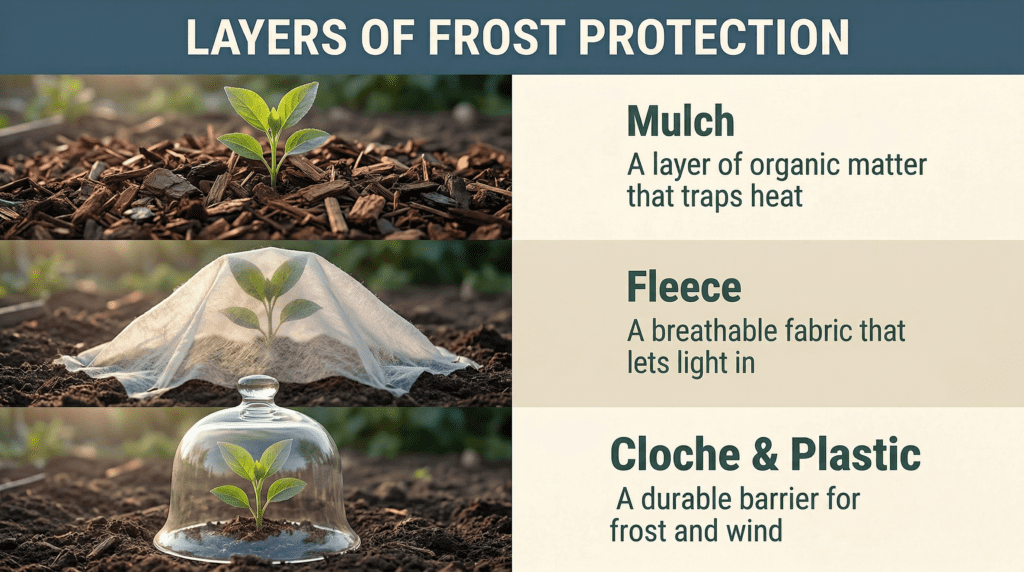
Mulching is another one of my go-to moves when frost threatens. Piling straw, bark, leaves, or compost around the base of your sensitive plants helps trap warmth in the soil and protect roots from sudden freezes. Mulch also helps prevent “frost heave” (when the soil literally pushes roots up and out of the ground due to freezing and thawing). Plus, mulch adds organic matter that gives a boost to your garden over time.
Create Microclimates
Not all spots in your garden freeze equally. South-facing walls, fences, or patios soak up more heat during the day and release it after the sun goes down, making these areas a lot less harsh at night. Nestling tender plants near these mini warm zones can keep them going longer into the fall. Sometimes, a wall or even a big rock can create a slightly warmer spot—every little bit helps!
Gradual Hardening Off for Young Plants
If you’ve grown seedlings or kept young plants indoors, exposing them gradually to cooler outdoor temperatures helps them toughen up. This slow transition thickens up their cell walls and gives them a little more natural resistance when that first frost finally rolls in. Just remember, patience is key so your plants have time to get used to the change.
Beware Morning Sun
Surprisingly, one thing that can make frost damage worse is fast thawing, especially from early morning sunshine. Rapid warming causes cells already weakened by ice to burst. Using a bit of shade cloth or planting delicate varieties where they’ll be shielded from the morning sun can sometimes limit that extra damage. Pay attention to where the morning sun first strikes in your garden, as this makes a big difference.
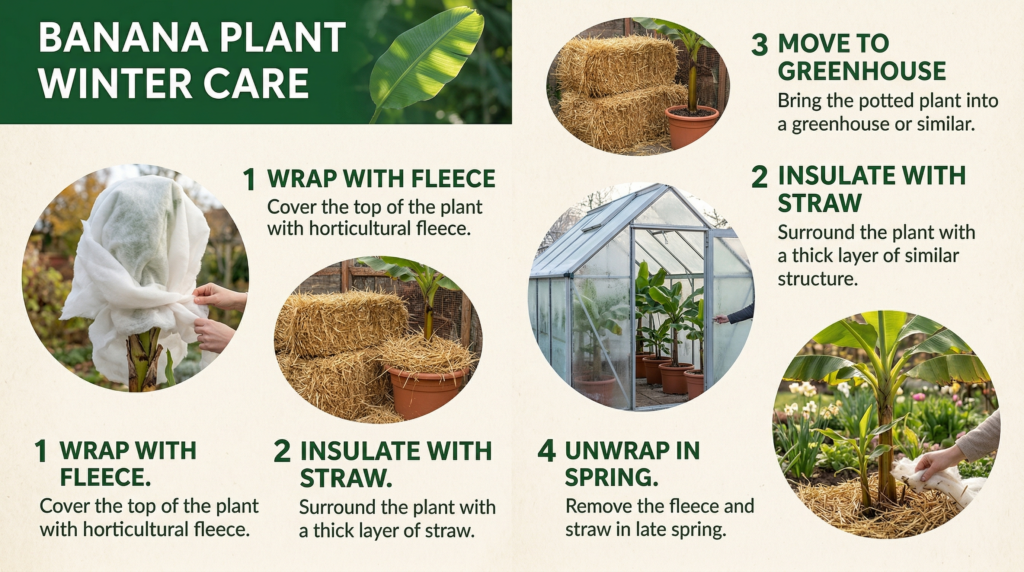
How to Protect Banana Plants in Winter: “Putting the Bananas to Bed”
My parents have two huge potted banana plants that have become the stars of their garden. Every autumn, as the air starts to turn chilly, they know it’s time to “put the bananas to bed” — a phrase I absolutely love!
Their winter banana care routine is simple but incredibly effective. They start by surrounding each plant with plenty of straw to insulate the stems, then cover the tops with horticultural fleece to keep out the frost. Once wrapped up snugly, we help them move the pots into the greenhouse, where the plants stay protected from the worst of the winter weather.
This little ritual has worked perfectly year after year. When spring arrives, it’s always exciting to unwrap the bananas, move them back outdoors, and watch fresh green growth burst back into life. It’s proof that with a bit of preparation — and some cosy straw blankets — you can successfully overwinter banana plants in the UK and enjoy their tropical beauty for another season.
Proven Ways to Protect Plants From Early Frosts
When early frost is forecast, it’s important to act quickly to protect vulnerable plants. Over the years, these are some of the methods and products that have saved my plants more than once. I’ve also included links to a few of my favourite frost protection picks to help you keep your garden safe during cold snaps.
Using Cold Frames, Cloches, and Mini Greenhouses
Cold Frames: These are low, boxlike shelters, usually with a clear lid. Cold frames give young plants, cuttings, and autumn crops like spinach or lettuce a space to stay out of the wind and mostly frost-free. Just lift the lid for ventilation during the day to stop things from getting too warm or damp.
Cloches: These individual covers shield winter crops like parsley, broad beans, or greens. You can use special plastic, glass domes, or even cut the bottom out of a clear plastic bottle. Great for keeping small plants cosy during cold snaps.
Quick Frost Fixes — From Fleece to Bubble Wrap
Temporary Covers (Sheets, Fleece, Burlap): Draping breathable fabric covers over sensitive plants can make all the difference. Horticultural fleece is designed for this, but I’ve used old sheets and burlap sacks just as well. The trick is to make sure the cover touches the ground to trap heat rising from the soil, anchor the edges, and always take the cover off during the day so plants don’t get cooked or lack air.
Frost Tents: For larger garden plants, poke bamboo canes into the ground and drape fleece or frost cloth over the top, securing with string. It makes a simple tent that works for everything from dahlias to artichokes. For pots, bubble wrap the container and toss fleece over the top.
How to Move Potted Plants Indoors Safely
Bring Potted Plants Indoors: Move containers to a porch, greenhouse, or even your garage overnight. I’ve had good luck wrapping pots themselves in bubble wrap to keep rootballs snug, especially for fuchsias, pelargoniums, and citrus.
The Power of Mulch — Insulate Roots Naturally
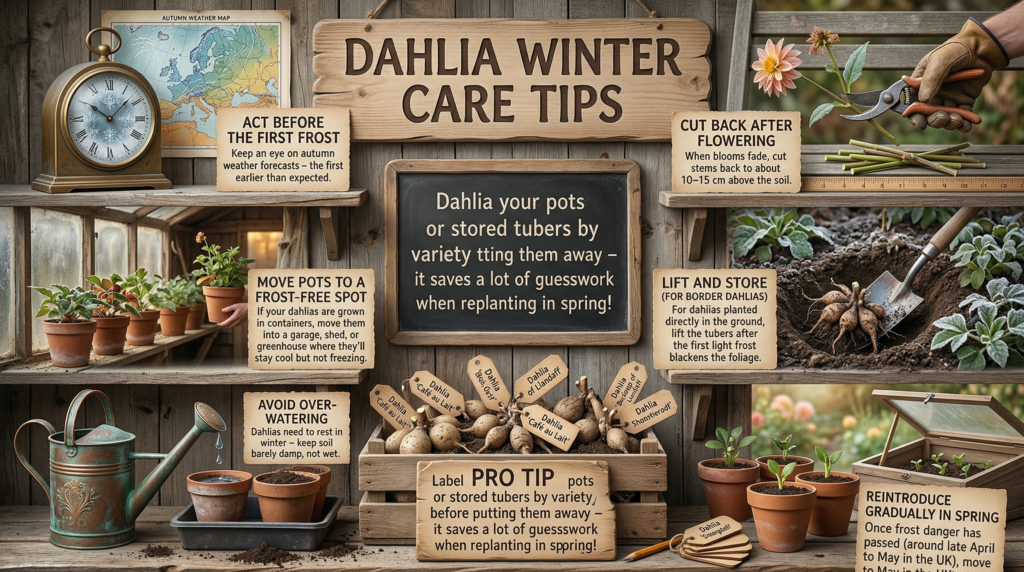
Storing Tender Perennials: When you know frost is coming for good, dig up tender roots or tubers like dahlias, cannas, and begonias. Dry them off and store in a cool, frost-free spot—think basements or inside breathable paper bags. (Gardener’s World quotes that Canna plants are one of the top ten plants you should protect in Winter)
Palms and Bananas: Tie palm leaves together and, for extra cold, stuff straw gently into the middle crown of the plant. For bananas, set up a chicken wire tube around the main stem and pack with straw or leaves. In wet climates, topping the setup with a loose polythene sheet helps keep it dry, but avoid wrapping the stem itself with plastic. (Gardener’s World quotes that Banana plants are one of the top ten plants you should protect in Winter)
How to Protect Potted Dahlias from Frost: A Lesson Learned the Hard Way
I have one client who grows all her dahlias in pots on her sunny patio. Throughout the summer, they’re absolutely stunning — bursting with colour and blooming continuously as we keep on deadheading.
That first year, after the last flowers faded, she cut all the plants back and left the pots outside for winter, assuming the dahlia tubers would stay safe tucked beneath the soil. Unfortunately, a harsh winter frost swept through, and by spring, nearly half of her beloved plants had turned to mush. The cold had crept through the pots and frozen the tubers solid.
The following autumn, I suggested a simple change — we moved every dahlia pot into the garage for the winter months, giving them just enough protection from frost and freezing temperatures. It worked beautifully. Come spring, the dahlias were healthy, strong, and ready to take pride of place back on the patio, blooming just as brilliantly as before.
Best Frost Protection Materials for Gardeners
It’s easy to think that any old cover will do, but some materials really work better than others.
What Works Best — Fleece, Burlap, or Mulch?
Burlap and breathable cloth let air flow through and hold in the warmth, which live plants always need. Bubble wrap is great for wrapping containers, but you want air, not a sauna, inside any tent or frame structure. If you have old towels or light blankets, those can work in a pinch as well, just make sure they don’t get waterlogged and heavy.
Materials to Avoid (and Why Plastic Can Be Risky)
I avoid using plastic sheeting right on the plants, since it holds onto moisture and can freeze onto leaves, creating more of a problem. Frost fleece or old bed sheets are much safer; they let the plant breathe while offering insulation.
Common Frost Protection Mistakes to Avoid
No matter how prepared I am, there are always a few tricky parts to frostproofing the garden. Weather can be unpredictable, covers sometimes blow off in a gusty wind, and sudden cold spells happen while I’m away for the weekend. Here are a few things I keep in mind to avoid common mishaps:
Forgetting to Remove Covers During the Day
- Don’t forget to remove covers in the daytime or you risk cooking your plants instead of protecting them. This is one of the most common mistakes and can undo all your hard work from the previous night.
- Strong winds: Secure fabric covers and tents well with rocks, bricks, or stakes. Sometimes using clothespins or garden clips really helps keep things in place, especially on blustery nights.
Overwatering Before a Freeze
- Damp soil: Avoid overwatering before a freeze, but keep the soil lightly moist for maximum heat retention.
Ignoring Sudden Temperature Drops
- Missed frost warnings: Set up phone alerts from your favourite weather app to stay one step ahead. Also, getting in the habit of glancing at evening forecasts during autumn can save you a lot of stress.
Ultimate Winter Garden Prep Checklist (UK Edition)
Get your garden ready for frost, storms, and chilly weather with this simple seasonal checklist.
1. Protect Tender Plants
- Move potted plants (like dahlias, fuchsias, citrus, and bananas) indoors or into a greenhouse.
- Wrap pots with bubble wrap to insulate roots.
- Use fleece, hessian, or old sheets to cover delicate plants overnight.
- Create simple frost tents with canes and garden fleece.
2. Mulch and Insulate
- Apply a thick layer of mulch (straw, bark, compost, or leaves) around base of plants.
- Protect bare soil to prevent frost heave and moisture loss.
- Add compost or well-rotted manure to boost soil health before winter sets in.
3. Tidy and Prep Garden Beds
- Remove dead annuals, diseased foliage, and spent blooms.
- Cut back perennials once they’ve died down — leave some seed heads for wildlife.
- Clean and store garden tools to prevent rust.
- Check raised beds and borders for good drainage before heavy rain.
4. Look After Lawns and Borders
- Give lawns a final light mow before frost sets in.
- Rake up fallen leaves to prevent disease and moss growth.
- Edge borders for a tidy winter look.
5. Care for Trees, Shrubs, and Hedges
- Prune deciduous trees and shrubs while dormant (except spring-flowering ones).
- Tie in loose branches to protect against wind damage.
- Add tree guards to protect young trunks from frost and wildlife.
6. Greenhouse & Outdoor Structures
- Check your greenhouse insulation (use bubble wrap or fleece if needed).
- Clear out debris and wash greenhouse glass to maximise winter light.
- Repair leaky sheds, replace damaged panes, and secure loose panels.
7. Watering and Irrigation
- Drain garden hoses and water systems to avoid frost damage.
- Store watering cans upside-down to prevent cracks.
- Keep soil slightly moist — never let potted plants dry out completely.
8. Support Wildlife
- Leave a wild corner with leaves or logs for hedgehogs and insects.
- Top up bird feeders and clean bird baths regularly.
- Avoid disturbing piles where wildlife may shelter.
9. Plan for Next Season
- Note which plants survived frost best this year.
- Order seeds and bulbs early for spring planting.
- Clean, oil, and store all tools ready for next year.
10. Check Weather & Stay Alert
- Set up frost alerts on your weather app.
- Keep fleece, mulch, and covers handy for sudden cold snaps.
- Act quickly when temperatures drop below 2°C.
Pro Tip: Early preparation prevents most winter damage — it’s much easier to protect a garden before frost than to revive it afterwards!
Essential Tools and Materials to Keep Handy for Frost Protection
Be ready before the first cold snap — these items can make all the difference when temperatures drop.
Frost Protection Materials
- Horticultural fleece – breathable, reusable fabric perfect for covering tender plants.
- Burlap or hessian – ideal for wrapping shrubs and insulating stems.
- Mulch – straw, bark, compost, or leaves to insulate roots and retain soil warmth.
- Bubble wrap – great for wrapping pots and lining greenhouses.
- Cloches or cold frames – protect seedlings and winter crops from frost and wind.
- Garden fleece tunnels – quick to set up and perfect for rows of vegetables.
Containers and Covers
- Plant pots and trays – for moving sensitive plants indoors or under shelter.
- Plastic bottles (cut in half) – makeshift cloches for small plants.
- Old sheets, towels, or blankets – emergency frost covers for large areas.
- Bamboo canes or stakes – to build frost tents or support fleece.
- String, clips, or pegs – to secure covers against strong winds.
Soil and Mulching Tools
- Garden fork or spade – for aerating and adding mulch.
- Watering can with fine rose – to keep soil slightly moist before frost.
- Compost or manure – to enrich soil before winter dormancy.
Monitoring and Maintenance
- Outdoor thermometer – to track night-time lows and frost risk.
- Weather app or frost alert service – get notifications before cold snaps.
- Torch or headlamp – for quick evening checks when temperatures drop suddenly.
- Securing weights (bricks or stones) – to anchor covers on windy nights.
Personal Gear
- Thermal gardening gloves – for comfort during chilly evening prep.
- Kneeling mat or waterproof seat – when working on wet or frosty ground.
- Waterproof jacket and boots – stay dry while protecting your plants.
Pro Tip:
Keep all your frost-protection gear together in a “Winter Garden Kit Box.”
Label it clearly so you can grab everything quickly when the first frost warning appears.
Frequently Asked Questions About Frost Protection
When Should I Start Protecting My Plants?
As soon as local forecasts start mentioning temperatures dropping close to freezing, usually in late summer or early autumn, it’s worth getting your frost protection gear ready. If your garden has low spots or you grow plants known for being frost sensitive, I’d start a bit earlier. Keep in mind that first frosts often arrive before the “average” frost date in your area, not after it. It’s better to be a little over-prepared than to lose your best flowers or vegetables to an early cold snap.
Which Plants Are Most at Risk From Frost?
Tender annuals, tropical plants, and anything with fresh new growth are most at risk. That includes things like tomatoes, basil, nasturtiums, fuchsias, and soft herbs. Early flowering shrubs or perennials that are pushing out new buds in late summer are also vulnerable since their tissues haven’t had time to harden off yet. Even some vegetables like beans and squash don’t like a chill, so keep a close watch on those when frosty weather is forecast.
What Are The Best Methods/Materials To Protect Plants From Frost?
I’ve had great results with horticultural fleece, old sheets, burlap, and cold frames. Covers or tents that use breathable fabrics work better than plastic, since moisture won’t get trapped. Cloches or even old glass jars over small seedlings work nicely too. For grounded plants, a thick layer of organic mulch keeps roots from freezing, and for potted plants, bubble wrap or moving them inside helps a ton. If you’re starting out, even some cardboard boxes tucked over small crops can help block those first icy winds.
How Do I Recover Frost-Damaged Plants?
If frost gets past you, wait until later in the day to see what perks back up; the shock alone can sometimes look worse than it is. For leaves and stems that have gone mushy or black, trim back just to living tissue and let the plant recover. Make sure soil is moist (not soggy) and give your plants some gentle fertiliser a week or so after the frost. Many established perennials will regrow as long as the roots weren’t killed. Don’t over-prune at first—sometimes, what looks lost will surprise you after a few warm days.
The Big Takeaway — Stay Ready, Stay Growing
Early and layered protection, using a combo of covers, insulation, and shelter, makes a real difference when those first frosts show up. I always remind myself it’s easier to take a few preventive steps than to try to nurse a damaged garden back to health after a cold snap. Being ready is super important if you want to keep your favourite plants thriving as the seasons change. Staying alert, having supplies on hand, and keeping an eye out for weather shifts can help you get a jump on protecting your garden before the first frost even hits. With a little planning, your plants can come through the chilly season looking strong and ready for another round of growth next year.
Author Bio: My Journey Into Gardening
I grew up surrounded by the rural beauty of the Hampshire countryside, where my earliest dream was to work with animals. After finishing school, I studied at Sparsholt College and earned a National Diploma in Animal Management.
Life, as it often does, took me in a different direction. I built and ran another business, got married, and became a proud mum to three wonderful boys. After the birth of my youngest in 2020, I found myself at a crossroads, ready for a new career. Gardening—something that had always been a passion—was the natural choice.
I’ve now been working as a self-employed gardener in Hampshire for over five years, but my love for gardening began long before that. Growing up, I spent countless hours outside helping my parents, both keen gardeners (with three allotments!). Being outdoors, nurturing plants, and watching gardens transform with the seasons has always brought me joy.
While much of my knowledge has come through hands-on gardening experience, trial and error, and plenty of research, I’ve also relied heavily on trusted resources like the Royal Horticultural Society, which has guided me in becoming a confident, self-taught gardener.
I created Garden Nest Living to share everything I’ve learned and to help others discover the same satisfaction in creating and enjoying beautiful outdoor spaces. Whether you’re looking for UK gardening advice, self-taught gardening tips, or inspiration for your own garden, my goal is to inspire and guide you on your gardening journey.

Pruning an apple tree in a client’s garden before the frost arrives.
This is such a well-grounded and encouraging guide. I’ve seen the same kind of frost surprise back home, the one cold night and suddenly the garden looks like it’s been hit by a quiet storm. What saved me once was something simple my father taught me: cover the roots first, then the leaves. I used dry grass and old fabric that night, and by morning, most of my vegetables had survived. Sometimes, it’s not about fancy tools but paying attention to small, consistent habits.
I like how you mentioned microclimates and morning sun since that’s often overlooked. In our parts, early sunlight can be a blessing or a curse depending on how fast it melts the frost. Your reminder to be ready, not reactive, hits home. Do you think home gardeners in warmer regions should start prepping earlier now that weather patterns are shifting so unpredictably?
—John
Hi John,
Thank you so much for sharing that lovely story — what a wonderful piece of wisdom from your father! Covering the roots first is such a smart, grounded approach — it really speaks to how small, consistent habits can make all the difference in the garden. I completely agree that sometimes it’s not about having the fanciest tools, but about being observant and responsive to what the plants need in the moment.
You raise an excellent point about microclimates and the unpredictability of today’s weather patterns. I do think home gardeners in warmer regions should start prepping earlier — not necessarily by doing everything sooner, but by planning sooner. The key now is flexibility — having what you need ready so you can act quickly when the weather turns.
I really appreciate how you tied your personal experience to this — thank you!
This is such a helpful and well-written guide for UK gardeners preparing for early frosts! I love how you’ve covered every angle — from understanding what frost actually does to plants, to practical, actionable tips like using mulch, fleece, and identifying frost pockets. The reminders about removing covers during the day and avoiding plastic directly on leaves are especially valuable (and so often overlooked!). Your advice on creating microclimates and gradually hardening off young plants really shows how thoughtful preparation can save a garden from unexpected cold snaps. I also appreciated the personal touches, like the story of “putting the bananas to bed” — it adds warmth and relatability to the post. It’s clear you’ve learned these lessons through real hands-on experience, which makes your guidance all the more trustworthy. A brilliant seasonal read that reminds gardeners to stay ready, stay growing, and enjoy the process even through the chillier months!
Thank you so much for “Common Frost Protection Mistakes to Avoid’ section. It really helped me understand my aunt. I’m located in a really hot region that ha 70 degrees F as a cold weather in Winter. LOL. My aunt was telling me how they have to remove all plants during autumn or they’ll go bad. I had no idea!
This was an excellent article. After receiving our first frost a couple of days ago, my wife is proud that I thought ahead and stayed on top of her gardens.
Loved how you focused on layering protection and acting before the first cold snap. Two small add-ons that have saved me are:
Cover timing matters. I put fleece on at dusk to trap the day’s warmth, then remove it by mid-morning once temps rise. Leaving it on all day can stall growth and invite mildew.
For containers, lift pots on bricks or pot feet. Cold, wet patios wick heat from roots and keep pots waterlogged. Drainage plus bubble wrap makes a big difference.
I do have a question for you. What’s been your trickiest plant to protect so far, and would you rather double down on covers and mulch, or move it under shelter for the season?
Thanks in advance!
Michael
Hi Michael,
Thank you so much for your thoughtful comment… I’m glad the article resonated with you, and it sounds like you and your wife were wonderfully prepared for that first frost!
For me, the trickiest plants to protect are the more delicate ones like potted citrus. While I use covers, mulch, and layering outdoors, I always move the most tender plants into shelter for winter if I can… it’s the safest bet for the UK Winters.
Appreciate you sharing your experience, and happy winter prepping to you and your wife!
This is such a timely and helpful read! Your tips are practical and easy to follow, especially the simple act of watering before a frost, I had no idea that moist soil could offer so much protection. The breakdown of which plants need the most care is a lifesaver for a beginner like me. I’ll definitely be using the row cover and mulch method for my tender veggies this week. Thanks for sharing your wisdom and helping us keep our gardens thriving a little longer!