
Seasonal Indoor Plant Care: Houseplant Tips Year-Round
Learn how to care for houseplants in every season. Tips on watering, light, fertiliser & humidity to keep indoor plants healthy year-round.
Indoor plants add more than a fresh vibe to your space. They also help with indoor air quality and create a calming atmosphere. Keeping them healthy all year takes a bit of know-how, since plants react to seasonal changes even when they’re indoors. I’ve picked up a bunch of handy tips after plenty of trial and error, so I’m sharing my favourite seasonal care advice to help your indoor plants stay happy, even when the weather switches up outside.
Hello & welcome, My love of gardening spills over into my home, too. What started with a single anniversary orchid quickly grew into a full-blown passion for indoor plants. Over the years I’ve learned how to create cosy, green corners with houseplants that thrive, and now I share simple, confidence-boosting tips to help others enjoy the calm and colour that indoor plants bring to everyday life.
Garden Nest Living grew from a simple idea: to share my love of gardens and creating calm, beautiful spaces, both inside and out. When you buy through my affiliate links, you are allowing me to keep sharing inspiration, ideas and products… at no extra cost to you. Thank you for being a part of my journey!

Why Seasonal Houseplant Care Matters
How Indoor Plants React to Seasonal Changes
Just because your plants live inside doesn’t mean they ignore the seasons. Changes in sunlight, temperature, and humidity indoors can seriously affect growth and health.
Common Problems from Ignoring Seasonal Care (droopy leaves, pests, etc.)
Adjusting your plant care by season helps avoid common issues like droopy leaves, stunted growth, crispy tips, and pest outbreaks. I’ve found that plants usually perk up fast when I tweak my routines as the weather changes, so it’s definitely worth the effort.
Spring Indoor Plant Care Tips
When spring arrives, most indoor plants wake up from their winter rest and begin growing again. It’s one of my favourite seasons for houseplants because it’s the perfect time for cleaning leaves, refreshing care routines, and giving them a little extra TLC that really helps them thrive. I have included links below to some of my favourite picks from the Royal Horticultural Society to help your indoor plants stay healthy and happy throughout the season.
Repotting Houseplants in Spring (roots, soil refresh)
Early spring is perfect for checking roots and repotting any plant that’s outgrown its pot. I usually knock off the old soil, rinse the roots, and give them a fresh, nutrient-packed mix. This simple move often gives my plants a big growth boost.
How Often to Water Indoor Plants in Spring
I notice the soil dries out a lot quicker as days get longer. I slowly start watering more, making sure each plant’s soil gets evenly moist, but not soggy. Overwatering is still possible, so I always check that the top inch of soil has dried out first.
Best Fertiliser for Houseplants in Spring
Once new growth appears, I begin using a balanced, water-soluble fertiliser every four weeks. Some of my pickier plants get half-strength doses to avoid shock and keep them looking great.
Preventing Pests on New Growth
Bugs like spider mites and mealybugs love tender new leaves. I do a close inspection during watering for any sticky residue, webbing, or cottonlike fluff, treating problems right away if I spot them.
Moving Plants for More Light
Since the sun returns, I’ll often scoot some leafy friends closer to windows to fuel that new growth.
Summer Houseplant Care
Summer is usually when my indoor plants look their happiest, but it can also bring a few sneaky challenges. Warmer air, longer days, and sometimes being away on holiday mean I need to stay on my toes and make a few small adjustments to their care routine. I have included links below to some of my favourite picks from the Royal Horticultural Society to help keep your indoor plants healthy and thriving throughout the summer.
How to Protect Indoor Plants from Harsh Sunlight
During midsummer, the sun can be harsh even indoors, especially on windowsills. I pull my more delicate plants back a couple of feet or hang a sheer curtain if I notice browning or scorched spots.
How to Increase Humidity for Indoor Plants in Summer
Air conditioners and fans love to soak up moisture from the air, and I see leaf tips crisp up quickly. Grouping plants together, using pebble trays with water, or running a small room humidifier helps a lot. Bathrooms are an easy win for tropical plants if you have space.
Summer Watering Tips for Houseplants
I check the soil every few days, since plants take up water faster. For those that dry out especially quickly, I’ll stick a finger in daily to feel for moisture. If I go on holiday, I set up hydrospikes or ask a friend to pop by and give them a drink.
Common Summer Houseplant Pests & Prevention
Warm, humid air is paradise for little bugs. A quick inspection under the leaves every week keeps me ahead of any infestations or sticky situations.
Moving Indoor Plants Outdoors Safely
Hardy houseplants like snake plants, pothos, and monsteras can enjoy a summer vacation on a shaded porch, as long as nighttime temps stay above 13°C. I get them used to the outdoors slowly over a week so that they don’t get sunburned or stressed.
- Increase Humidity: I mist some of my ferns in the mornings and keep pebble trays filled, especially on dry, hot days. Sometimes just grouping plants together can make a difference.
- Deadhead Flowers: Plants like African violets or peace lilies produce more blooms if I snip off faded ones. This helps them keep energy for fresh flowers and you get more colour throughout the season.
Protect Your Houseplants from Summer Sun: Tips for a Thriving Indoor Garden
Living in a Georgian property, I’m lucky to have a large, beautiful bay window in my living room—perfect for my ever-growing houseplant collection. Over time, my windowsill has become a lush display of greenery.
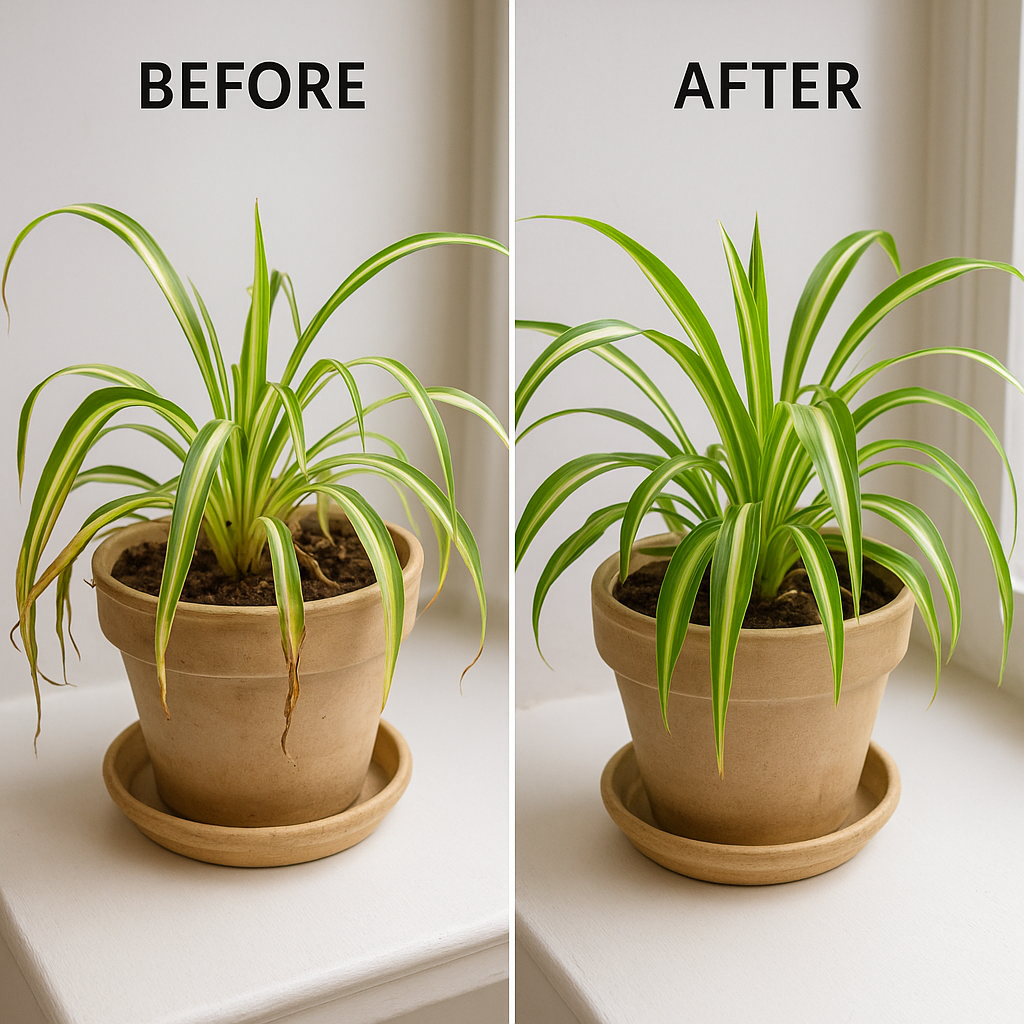
Each summer, I move my plants further into the room to protect them from the harsh sunlight. This year, I carefully repositioned them all… or so I thought. I completely forgot about a spider plant I had tucked behind the curtain a few months earlier. By the time I noticed, the sun had already scorched its leaves!
I quickly moved it to a safer spot, pruned the damaged foliage, and gave it a good drink of water. Fortunately, spider plants are incredibly resilient, and mine bounced back beautifully. It’s now thriving again, a little lesson learned about double-checking every plant when rearranging for the seasons!
Autumn Indoor Plant Care
As the days grow shorter and cooler, I notice my indoor plants naturally begin to slow down. They become less demanding, and overwatering can quickly become a risk. Autumn is also when I like to give my plants a final health check before winter arrives. I have included links below to some of my favourite picks from the Royal Horticultural Society to help keep your plants healthy and thriving through the seasonal change.
How to Reduce Watering in Autumn
My watering schedule always scales back in Autumn. Plants simply don’t need as much when light and growth slow. I wait a little longer between waterings and check the soil before adding more water.
Autumn Pruning & Tidying Tips
Giving plants a tidy up helps keep disease at bay. I snip off any brown tips and remove yellow leaves so the plant can focus on staying healthy through slower months.
Cutting Back Fertiliser for Houseplants in Autumn
Most plants are happy without extra feed now. I either stop fertilising or switch to feeding once every two months until next spring. Feeding too much during dormancy can burn roots or cause leggy growth, which nobody wants.
Protecting Indoor Plants from Drafts
Autumn breezes from windows or doors can be tough on plants. I move my plants away from chilly windowsills as nighttime temps drop. Sometimes even closing a vent or moving a table helps.
Winter Indoor Plant Care
Winter is usually when I see my indoor plants struggle the most, mainly because they receive far less sunlight. Most naturally slow down their growth or look a little droopy, which is completely normal and not always a reason to panic. I have included links below to some of my favourite picks from the Royal Horticultural Society to help your plants stay healthy and cope better during the darker winter months.
How to Care for Houseplants in Low Light
To give them the best chance, I move my plants as close to windows as possible, rotating the pots weekly. If I still notice stretchiness or yellowing, I use a grow light for a few hours a day.
Winter Watering Schedule for Houseplants
Plants use less water in winter, so the soil often stays damp longer. I check with my finger down two inches, and only water when it’s dry. For drought-tolerant types like succulents or cacti, this might mean just once every 3–4 weeks.
Preventing Draft & Heat Damage in Winter
Heaters, radiators, and vents can stress plants, especially when blasts of hot or cold air hit the leaves. I find a stable, draft-free spot where possible and check they aren’t next to heaters or cold windows.
When to Skip Repotting in Winter
Roots aren’t growing much in winter, so I wait until spring for any big moves or switch-ups.
Is Winter Leaf Drop Normal?
Some leaf loss is common, especially if a plant just got moved to a shadier spot. I only worry if I see rapid or total leaf drop or mushy stems—it could mean something is wrong below the soil.
Winter Light Lessons: Caring for Tradescantia Indoors
On our living room mantelpiece, I have two little Tradescantia plants that always brighten the space. They thrive in moist (but never soggy) soil, appreciate the occasional misting, and love bright, indirect light—perfect with our Georgian bay window.
Last winter, though, I noticed they weren’t looking their best. Their leaves began to droop, even though the soil was still moist and I’d increased misting. That’s when it clicked: being up on the mantel, they simply weren’t getting enough winter light!
I moved them closer to the bay window, and within days they perked back up. It was a gentle reminder that plant care isn’t just about protecting from harsh summer sun—sometimes, in winter, our indoor plants need extra access to precious daylight.
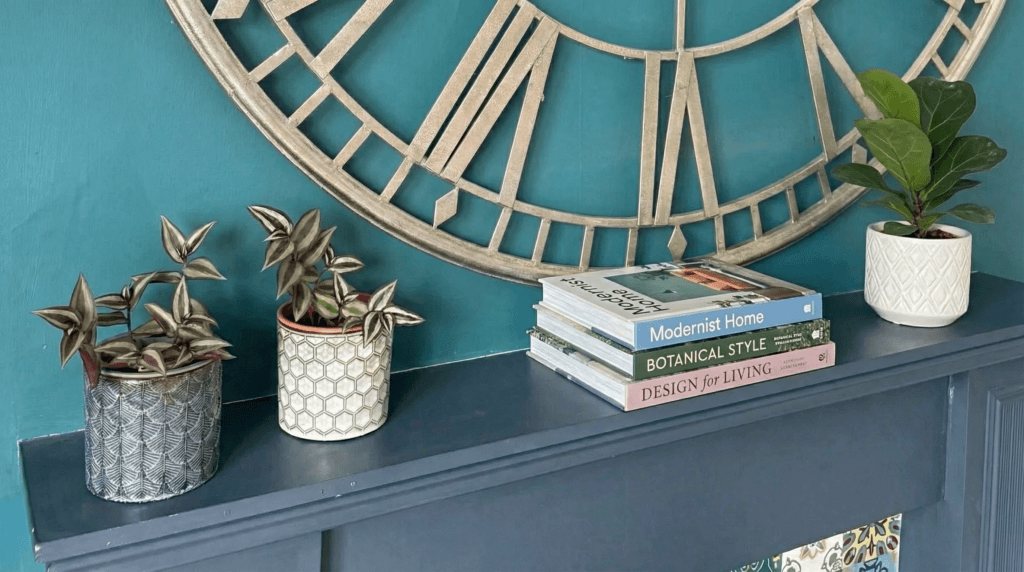
Two little Tradescantia plants on the mantelpiece in our Living room.
Gardener’s World has a good Guide on looking after your houseplants in Winter. Click Here to see the full article.
Key Takeaway: How to Adjust Houseplant Care With the Seasons
- Watering, feeding, and light all need a bit of adjusting as the year goes on. I’ve found being flexible makes the biggest difference, especially when plants seem “off.”
- Spring and summer are the best times for repotting and fertilising. Autumn and winter call for mostly leaving plants alone with a gentle touch.
- Watch the weather—indoor temps, humidity, and sunlight switches all matter, even if your home feels comfortable to you. Keeping an eye out for these subtle changes can really boost plant health.
- Keeping an eye out for pests and adjusting humidity whenever the heat or AC ramps up helps prevent most problems, letting you enjoy your green friends with fewer problems.
If you’d like to learn more about seasonal care for indoor plants, I highly recommend exploring the Royal Horticultural Society website… it’s always a fantastic resource for reliable gardening advice and practical tips.
Quick Seasonal Houseplant Care Chart (Reference Guide)
| Season | Watering | Fertiliser | Light & Placement | Extra Care |
|---|---|---|---|---|
| Spring | Increase gradually; water when top inch is dry | Start feeding every 4 weeks with balanced fertiliser | Move closer to windows for brighter light | Repot if rootbound; inspect for pests |
| Summer | Check soil every 2–3 days; water more often | Continue feeding every 4 weeks | Watch for harsh midday sun; use sheer curtains | Boost humidity; inspect weekly for pests |
| Autumn | Reduce frequency; water less often | Cut back to once every 6–8 weeks or stop | Keep near bright windows, but away from drafts | Prune yellow leaves; last health check |
| Winter | Water sparingly (every 2–4 weeks for many plants) | Stop fertilising until spring | Place near brightest window; rotate weekly | Avoid drafts/heaters; consider grow lights |
Watering Frequency by Season (General Guide)
| Plant Type | Spring & Summer | Autumn | Winter |
|---|---|---|---|
| Tropical Plants (e.g., Calathea, Ferns) | Every 3–5 days (keep evenly moist) | Every 7–10 days | Every 10–14 days (avoid soggy soil) |
| Average Houseplants (e.g., Pothos, Monstera, Peace Lily) | Every 5–7 days | Every 10–14 days | Every 2–3 weeks |
| Succulents & Cacti | Every 10–14 days | Every 2–3 weeks | Every 3–4 weeks (sometimes longer) |
Indoor Plant Care FAQs
How often should I water houseplants in different seasons?
In spring and summer, most houseplants need watering once the top inch of soil feels dry, usually every few days to a week. In autumn and winter, reduce frequency since growth slows and soil stays damp longer.
Should I fertilise indoor plants in winter?
No, most houseplants don’t need fertiliser in winter because they’re resting and not actively growing. Feeding during this time can lead to weak, leggy growth or root burn.
What’s the best fertiliser for houseplants UK?
A balanced, water-soluble fertiliser (e.g., 10-10-10 or 20-20-20) works well for most houseplants. For flowering varieties, a fertiliser higher in potassium (K) supports stronger blooms.
How do I know when to repot my plant?
Repot when roots circle the pot, grow through drainage holes, or when the plant dries out too quickly. Spring is the best season since plants are actively growing and can recover faster.
How do I increase humidity for indoor plants?
Group plants together, place them on pebble trays with water, or run a small humidifier nearby. Bathrooms or kitchens often provide naturally higher humidity for tropical species.
Final Thoughts: Keeping Indoor Plants Healthy Year-Round
My love for indoor plants began years ago when my husband gave me a beautiful orchid for our wedding anniversary. I was instantly captivated by its colour, freshness, and the way it brightened our home. That one thoughtful gift sparked a lifelong curiosity—I began experimenting with different plants, learning which thrived in sunny windows, which preferred shade, and how some could even purify the air. Over time, my single orchid turned into a flourishing collection, and with it, my passion and knowledge grew.
Staying in tune with how each season affects your indoor space and routine goes a long way in keeping your plant crew looking their best. Tuning into the rhythm of spring growth, summer heat, autumn cooldowns, and winter rest makes plant care less overwhelming and more rewarding. I love seeing little bursts of new leaves in spring, glossy green vibes in summer, and chill, sturdy survivors in winter. With a few minor switches in care and some basic checks throughout the year, your houseplants can thrive alongside you every season. Whether you’re just beginning with your first orchid or already nurturing a mini indoor jungle, embracing seasonal shifts will help your plants thrive right alongside you, filling your home with life, colour, and joy all year round.
Author Bio: Growing a Love for Indoor Plants
My passion for gardening doesn’t stop at the back door—it also extends indoors. About ten years ago, my husband gave me a stunning orchid for our anniversary, and that single gift sparked a whole new interest: indoor plants.
I quickly became fascinated with the idea of bringing greenery and nature indoors, and I began researching everything I could about indoor plant care tips and how to create the right conditions for houseplants to thrive. Once again, the Royal Horticultural Society became an invaluable source of guidance, teaching me how to care for a wide variety of houseplants.
What started as a single orchid soon grew into a collection. Along the way, I learned everything from how to grow orchids at home to choosing the best low-maintenance houseplants for busy lifestyles. I soon realised I wasn’t alone—many people share the same desire to create lush, green indoor spaces.
This inspired me to share my houseplant advice so others can enjoy the benefits of indoor plants too. Whether you’re a beginner looking for simple tips or someone hoping to expand your collection, my goal is to help you build confidence and create a home filled with greenery.
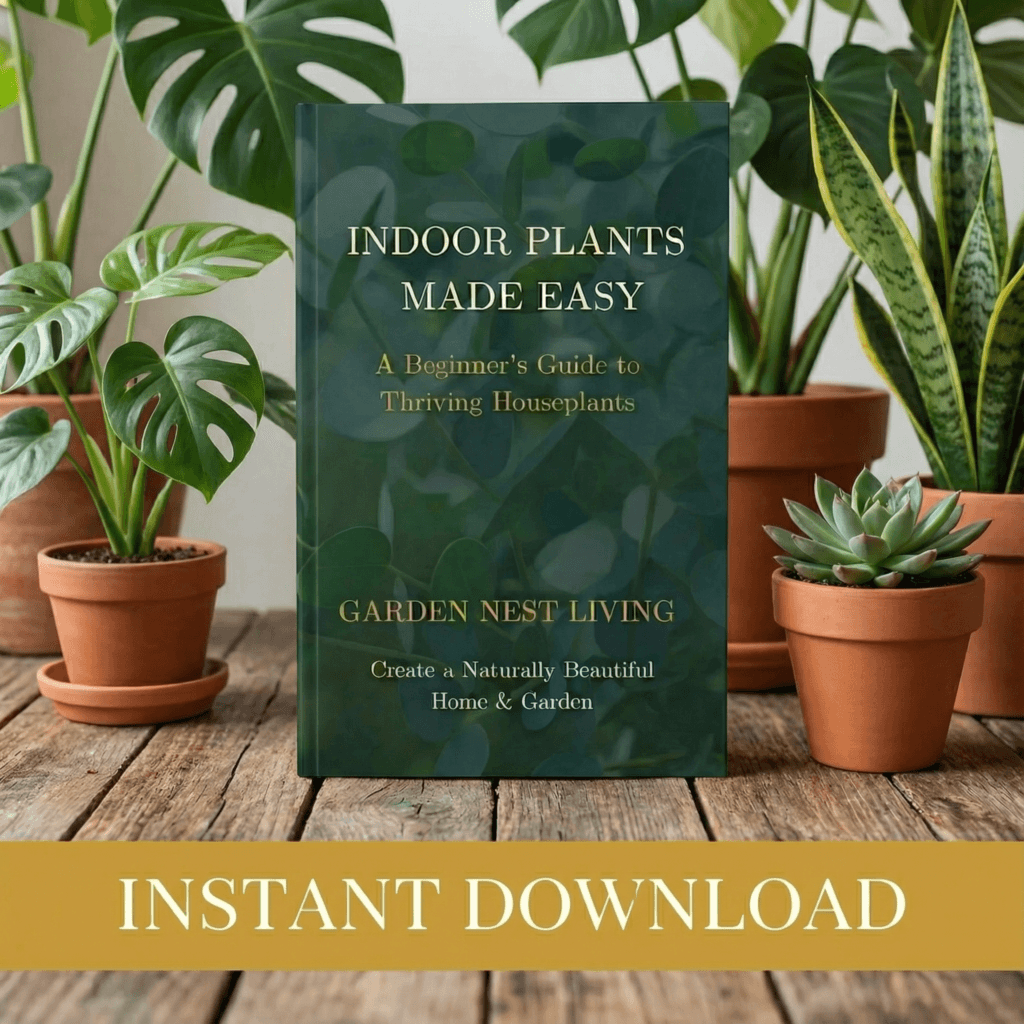
Indoor Plants Made Easy: A Beginner’s Guide to Thriving Houseplants
If you’re just starting your indoor plant journey and want a little extra guidance, my ebook Indoor Plants Made Easy: A Beginner’s Guide to Thriving Houseplants is now available. It’s packed with simple tips to help you choose the right plants, care for them confidently, and create a home filled with healthy greenery. You can grab your copy from my Etsy shop… just click the link below to get started!

Peace Lilies and artificial plants for decoration.

Small indoor plants on our sideboard in our hallway with artificial stems in a vase for decoration.
I’ve always struggled with my plants in winter when the light drops. Do you think using a grow light really makes a big difference, or is moving them closer to a window usually enough? I don’t do well with indoor plants which is why I don’t have that many of them in my house. I do like the look of having indoor plants. I’m just not that good with them.
Winter can definitely be tricky—that drop in light makes a big difference for plants. Moving them closer to a window is a great first step, especially if it’s a south- or west-facing one where they’ll get the most daylight. For many easy-going plants, that little shift is often enough.
Grow lights do help though, especially if you have spots in your home that stay dim all day. They don’t have to be fancy—there are affordable ones that fit into regular lamps or clip onto shelves. Think of them as “backup sunlight” for the shortest, darkest days.
And don’t be too hard on yourself! Lots of people feel the same way, but you clearly do like plants. Even just starting with one or two hardy varieties by a window can build confidence before adding more.
Thank you for this great advice. I have a few orchids, but find I have never managed to keep one alive more than two years. You suggest giving them new soil and rinsing roots in the spring. I have done this once and they all died. But I don’t think it was in spring. Now I think maybe I should try that again, but only in spring again. Is there anything else I could have done wrong to cause my last lot to die?
Thank you so much for your comment! I completely understand your frustration — I actually wasn’t very good with orchids myself when I first started. After losing a few, I did some research to figure out how to give them the right care. Timing really does make a big difference, and repotting in spring is usually the safest because that’s when they’re naturally starting to grow again.
Other things that can sometimes cause orchids to decline after repotting are:
Overwatering right afterwards – the roots can be a bit sensitive until they settle.Using a potting mix that holds too much moisture – orchids like a very loose, airy mix.Not trimming away dead roots – leaving unhealthy roots behind can spread rot.
So don’t be discouraged! With fresh mix, careful watering, and a bit of patience, orchids can really thrive. I’d definitely recommend giving it another go in spring.
Oh this is absolutely perfect for me – I’ve only recently started collecting house plants. It began when a group of friends got me a beautiful orchid as a gift. It’s supposedly one of the easiest plants to care for, and yet it still almost died with me! I managed to bring it back a little, but I’m still waiting for it to fully thrive again.
I really appreciate the in-depth info here. I’m trying my best to let these plants thrive but I’ll admit I’m a little cluesss, so I’m glad I stumbled upon this post when I did. Your quick reference charts are SO helpful and I’m definitely screenshotting them for easy use later. Thanks for such thorough information!